

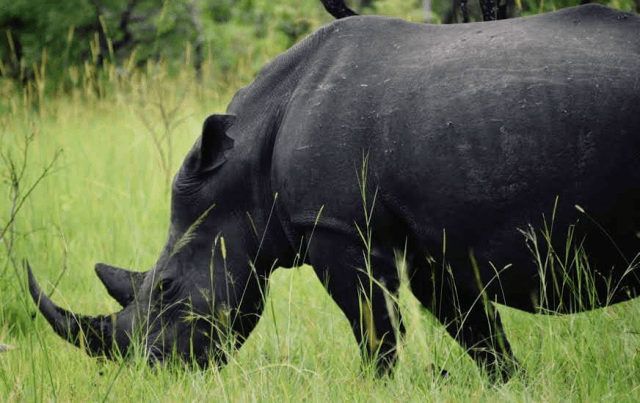
Uganda is a land so green and wild. a place where the sky opens big and animals walk free. It's not just a safari here; it's like you step into a natural dream. Gorilla eyes look right at you in the deep forest. Elephants cross rivers slowly. Birds fly high with bright colors. Every moment here feels like a memory you don't want to let go. Uganda safaris and gorilla treks give you a heart full, a camera full, and a soul full.
Uganda Safari: wild heart of Africa
A Uganda safari is not just a drive in the park. It has a whole feel, smell, and sound. you wake up in the morning when the sky is still soft. jeep ride on dirt roads, wind smelling of grass and dust. The driver spots a lion far away; you see a golden head rise in sunlight. Sometimes you see giraffes walk slowly, their necks like tall trees moving. Buffalo stand in mud, and hippos hide in water.
Safaris happen here in many parks. Murchison Falls is where the Nile makes loud water crashes. Queen Elizabeth National Park, where three lions sleep on branches. Kidepo Valley, where land is dry but life still blooms. Each place has its own magic. Guides tell stories about animals, about land, and about how people live with nature. A safari in Uganda is not rushed; it's steady like a river, so you see small things too, like monkeys playing or warthogs running funny.
Gorilla Safaris: close meet with giants of forest
Gorilla safari is different. It is not an open savanna; it is a deep forest. Bwindi Impenetrable National Park—the name itself says a lot. trees thick, air cool and damp. you walk with a guide, the path is narrow, and leaves brush your arms. The sound of forest everywhere. Birds call, insects buzz, and sometimes branches move, but you do not see what. Then, you find them. Silverback sits with a big chest, eyes calm but strong. babies roll on the ground, and mothers eat leaves slowly. you stay quiet, your heart beats fast. Gorillas look at you, and it's like time stops. no zoo glass, no cage, just you and them. they accept you for a moment, then go back to their day.
Treks can be long, sometimes hours, sometimes short. Terrain can be steep and slippery. but every step is worth it when you stand near a gorilla. you will not forget that.
Uganda Wildlife: more than big animals
Uganda is not only about lions or gorillas. It has a huge mix of life. over 1,000 bird species. The shoebill stork is big like a small dinosaur. African fish eagles call across the lake. Parrots are green and loud in the trees.
In the water, the Nile crocodile waits still. Hippos float like big rocks. In the forest, chimpanzees shout and swing. Antelope of many kinds jump through grass. Zebra stripes shine under the sun.
Wildlife changes with place. In the north, land is open and dry, and animals are different from the south, where forests are thick. Lake Victoria, the world's second-biggest freshwater lake, gives fish, birds, and hippos a home.
Uganda Wildlife Culture: people and nature living together
People of Uganda have lived with wildlife for a long time. Tribes like the Batwa once lived in forests with gorillas. They know every plant, every trail. Other communities near the park use land for farms but still respect the wild.
Culture here is full of stories. dance at night with drums and songs about animals. The market sells fruit, crafts, and baskets made from grass. Guides from the village tell you how elephants come close to farms and how they protect crops without harm.
Tourism now gives jobs, so locals protect animals more. When you trek with a guide, you support their family. When you stay in a lodge, you help the school in the village. wildlife and people both gain.
Why Choose Uganda Tour?
Uganda gives both safaris and gorillas in one trip. Many African countries have safaris; some have gorillas, but Uganda has both. It is safe and people-friendly, and prices are better than some neighboring places.
Land is so different in short distances. In the morning you are in the savanna, and in the afternoon you are in the rainforest. You see mountains, lakes, and waterfalls all in one week.
Gorilla permit costs here are lower than in Rwanda. Also the group size is small so the experience is more personal. Parks are less crowded, so you do not fight for photos.
Uganda is also good for adventure: whitewater rafting on the Nile, hiking the Rwenzori mountains, and boat cruises at Murchison Falls.
Routes and Highlights
Many visitors start their trip in Entebbe or Kampala. From there go west to Murchison Falls Park and see the waterfall and big game. Then go down to Kibale Forest for chimpanzees. Next to Queen Elizabeth Park for three lions and a hippo. After that, go to Bwindi for a gorilla trek. End the trip at Lake Bunyonyi, quiet and nice.
Some people also go north to Kidepo Valley Park, which is very wild and less touristy. If you want more nature, do a boat trip on the Kazinga Channel, a game drive in the Ishasha sector, and birding in Mabamba Swamp. Each stop gives something different.
Safety Tips
Uganda is safe if you follow the guide's advice.
- Always go with a licensed guide in the park.
- Keep distance from wild animals.
- Wear long clothes for forest treks.
- Drink bottled or filtered water.
- Respect local culture; ask before the photo.
- Carry a light rain jacket; weather changes fast.
- Keep a gorilla distance of 7 meters at least, for their health.
Conclusion
Uganda safaris and gorilla treks are not just trips. They are journeying deep into the heart of the wild. This country has soul. It shows you a lion in a tree, a gorilla in mist, a river like a giant snake, and a bird like a rainbow. And also show you people with warm hearts.
You come here maybe for animals. But you go back with more than you expect. You go back with unforgettable wildlife memories.