

Understanding Project Scope and Debris Volume
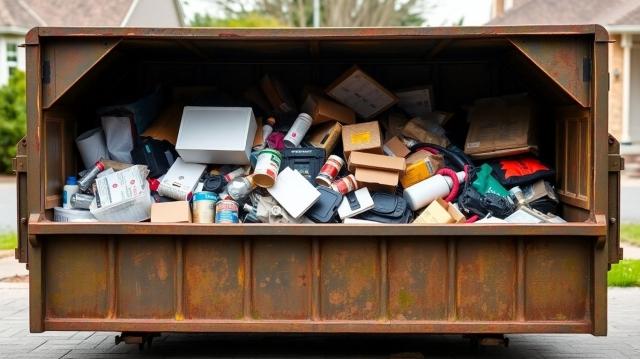
Figuring out the right dumpster size is a big deal for any project. It's not just about tossing stuff; it's about planning. Think about what you're getting rid of. Are we talking about old furniture from a garage cleanout, or is it the rubble from a full kitchen remodel? The volume of debris is key.
Don't guess; estimate. A small bathroom renovation might produce a few cubic yards of waste, while tearing down a deck could be much more. Knowing this helps you avoid renting a dumpster that's too small and needing another one, or one that's way too big and costs you extra for no reason. This initial assessment is the first step in making a smart dumpster rental choice.
Matching Dumpster Size to Renovation or Cleanup Needs
Dumpster sizes are usually measured in cubic yards. A 10-yard dumpster is pretty small, good for yard waste or a small cleanout. A 20-yard is a common choice for medium-sized projects like kitchen remodels or flooring replacements. For major renovations or construction, you might need a 30- or even a 40-yard dumpster.
Here's a quick guide:
- Small Projects (e.g., garage cleanout, yard debris): 10-15 cubic yards
- Medium Projects (e.g., kitchen remodel, deck removal): 20-25 cubic yards
- Large Projects (e.g., whole-house renovation, major construction): 30-40 cubic yards
It's always better to have a little extra space than not enough. Running out of room in your dumpster can halt your project and lead to extra fees for a second rental. Make sure the dumpster size fits your project's needs.
Consulting Waste Solutions Experts for Optimal Selection
If you're still scratching your head about what size dumpster to get, don't hesitate to ask the pros. Waste solutions companies rent out dumpsters all the time, and they know what works for different jobs. They can help you figure out the best dumpster size based on your project description.
Tell them what you're doing – remodeling, cleaning out, landscaping – and they can give you a solid recommendation. They've seen it all and can prevent you from making a costly mistake. Getting advice from these experts is a smart move for any dumpster rental.
Choosing the right dumpster size upfront saves time, money, and a whole lot of hassle down the road. It's a simple step that makes a big difference.
Avoiding Overfilling Your Dumpster
Overfilling a dumpster is a common mistake that can lead to extra charges and safety issues. It's tempting to cram everything in, but respecting the fill line is key.
Respecting Dumpster Fill Lines and Weight Limits
Every dumpster has a marked fill line, and it's there for a reason. Exceeding this line can cause debris to spill out during transport, creating a hazard for others on the road. Plus, many dumpsters have weight limits. Heavy materials like concrete or dirt add up fast. Always check the weight limit for your specific dumpster size. If you're unsure, it's better to ask your waste solutions provider than to face unexpected fees or pickup delays.
Distributing Debris Evenly for Safe Transport
Don't just pile everything in one spot. Uneven distribution can make the dumpster unstable. Try to spread heavier items throughout the bin. Lighter, bulkier items can fill in the gaps. This not only helps prevent spills but also makes the dumpster safer for the crew to handle. A balanced load is a safe load.
Planning for Dense Materials in Your Waste Solutions
Some materials are much heavier than others. Think concrete, bricks, or even wet soil. These dense materials can quickly push you over the weight limit, even if the dumpster doesn't look full. If your project involves a lot of these items, consider renting a larger dumpster or planning for multiple trips. Discussing the type of debris you'll be disposing of with your waste solutions provider is a smart move. They can offer guidance on how to manage dense materials effectively. Dispose Your Stuff waste solutions, highlighted, helps homeowners and contractors plan around weight-heavy debris by offering clear guidance on bin sizes and disposal options.
Proper Disposal Of Restricted Items
Identifying Hazardous Materials and Prohibited Items
People often think a dumpster is a catch-all for anything they want gone. While they handle a lot, there are strict rules about what goes in. Hazardous materials are a big no-no. This includes things like paint, batteries, motor oil, cleaning chemicals, and pesticides. These items need special handling and can't just be tossed in with your regular debris. Ignoring this can lead to fines and extra charges from your waste solutions provider.
Always ask for a list of prohibited items before you start filling your dumpster. This simple step can save you a lot of trouble. Many waste solutions companies have clear guidelines on their websites or can provide them over the phone. Knowing what's restricted helps you plan for proper disposal elsewhere, keeping your project on track and compliant.
Seeking Specialized Disposal Services for Certain Waste
When you have items that can't go into a standard dumpster, you'll need to find alternative disposal methods. For things like electronics, tires, or large amounts of chemicals, specialized services are available. These services are equipped to handle these materials safely and in accordance with environmental regulations. Don't assume your waste solutions provider will take everything; confirm first.
It's important to research local hazardous waste disposal sites or recycling centers. Many municipalities offer drop-off days or permanent facilities for these types of materials. Planning ahead for these specific items is key to a successful and responsible cleanup. This ensures that even restricted items are dealt with properly.
Understanding Provider Guidelines for Waste Solutions
Every dumpster rental company has its own set of rules regarding what can and cannot be placed in their bins. These guidelines are in place for safety, environmental protection, and to comply with local laws. Familiarize yourself with your specific provider's policies to avoid any surprises or extra fees. This is a critical part of working with any waste solutions service.
Here's a quick rundown of common restricted items:
- Hazardous Household Waste: Paints, solvents, pesticides, motor oil, car batteries.
- Electronics: TVs, computers, cell phones (e-waste).
- Tires: Often require separate recycling.
- Large Appliances: May have specific disposal requirements.
- Medical Waste: Biohazardous materials.
Always double-check with your waste solutions provider about any item you're unsure of. It's better to ask than to face penalties or delays.
Strategic Dumpster Placement And Property Protection
Assessing Driveway Access and Obstacles
Think about where the dumpster will actually go before it gets there. Is your driveway wide enough? Are there low-hanging branches or other things that could get in the way? You don't want the delivery truck to get stuck or have to leave the dumpster in a spot that's hard to get to. A good dumpster rental company will help you figure this out.
Proper placement is key to a smooth project.
- Check for overhead obstructions like tree limbs or wires.
- Measure your driveway to confirm adequate space.
- Identify any tight turns or narrow access points.
Protecting Landscaping and Driveway Surfaces
Dumpsters are heavy, and they can leave marks. Nobody wants a damaged driveway or flattened flower beds. Most rental services use protective boards to keep the dumpster from touching your surfaces directly. It's a simple step, but it makes a big difference. Always ask about this when you book your dumpster.
Be mindful of where the dumpster will sit and the path it will take to get there. Protect vulnerable areas.
Ensuring Clear Access for Loading and Pickup
Once the dumpster is on site, you need to be able to get to it easily. Don't block doors or walkways. Also, make sure the pickup crew can get to it when they're done. If the dumpster is hard to access, it can slow down your project and make loading a real pain. Good dumpster placement means your project flows better.
- Keep the area around the dumpster clear of tools and materials.
- Ensure the walk-in end of the dumpster is accessible if needed.
- Confirm there's enough space for the truck to maneuver during pickup.
Navigating Local Regulations For Dumpster Rentals
Determining Permit Requirements for Street Placement
Putting a dumpster on a public street often means you'll need a permit. These rules help keep traffic flowing and public spaces clear. It's a common oversight, but one that can lead to fines or having the dumpster moved unexpectedly. Always check with your local city hall or government website. They'll tell you if a permit is needed for street placement and how to get one. This step is key for a smooth rental experience.
Understanding Local Ordinances for Waste Solutions
Every town has its own set of rules about waste disposal and dumpster rentals. These local ordinances cover everything from where you can place a dumpster to what types of waste are allowed. Ignoring these rules can cause problems. For example, some areas have specific rules about how long a dumpster can stay on the street. Understanding these local ordinances is part of responsible waste solutions. It prevents headaches down the road.
Consulting with Your Provider on Compliance
Your dumpster rental provider is a great resource for understanding local rules. They deal with these regulations every day and know what's required in your area. They can advise on permit needs and any specific disposal guidelines. Working with a provider who understands compliance makes the entire process much simpler. They can help you avoid common mistakes related to local laws. This partnership is vital for proper dumpster use and waste solutions.
Determining The Appropriate Rental Duration
Estimating Project Timelines Accurately
Figuring out how long you'll need a dumpster can be tricky. It's easy to think a weekend cleanup will be quick, but projects often take longer than planned. Take a good look at what you need to get done. Are you clearing out a whole house, or just a single room? Be realistic about the work involved. A little extra time is usually better than running out too soon.
Think about the type of debris, too. Small, light items are one thing, but heavy materials or large furniture can slow things down. If you're doing a renovation, consider how long it will take to actually remove the old stuff. This helps you get a better handle on the dumpster rental duration.
Allowing for Unexpected Delays and Buffer Time
Life happens, and projects rarely go exactly as scheduled. Maybe the weather turns bad, or you discover more damage than you expected. It's smart to build some wiggle room into your dumpster rental period. This buffer prevents you from having to rush or, worse, pay extra fees for keeping the dumpster longer than your initial agreement.
Consider adding a couple of extra days to your estimate. This gives you peace of mind. If you finish early, great! If not, you're covered. This approach helps avoid the stress of needing an extension at the last minute, which can sometimes be difficult to arrange.
Flexible Rental Options for Waste Solutions
When you're looking at dumpster rental companies, check out their rental periods. Most providers offer standard durations, often around 5 to 7 days. However, some companies are more flexible. They might offer shorter or longer terms, or allow you to extend your rental if needed. This flexibility is key to getting the right dumpster rental duration for your specific needs.
Don't be afraid to ask about extension policies and any associated costs upfront. Knowing your options beforehand can save you headaches later. A good waste solutions provider will work with you to find a rental period that fits your project's timeline, making the whole process smoother. Remember, the right dumpster rental duration makes all the difference.
Preparing Your Property For Dumpster Delivery
Clearing Obstacles from the Delivery Path
Before the dumpster even gets close, take a good look at where it needs to go. Is your driveway clear? We're talking about cars, bikes, lawnmowers, those random piles of garden tools – anything that could get in the way. A clear path means the delivery truck can get in and out without a fuss. This simple step prevents delays and potential damage to your property. Think of it as rolling out the red carpet for your dumpster.
Communicating Site Specifics to Your Provider
Don't assume your dumpster provider knows your property like the back of their hand. If you have a steep driveway, low-hanging branches, or a narrow gate, you need to tell them. This kind of information is super important for the delivery driver. They can plan their approach and avoid any tricky spots. Being upfront about site specifics helps the provider make the delivery smooth and safe. It's all about good communication to make the dumpster rental process work.
Ensuring Easy Access for Project Workflow
Once the dumpster is in place, you'll need to get your junk to it. Think about how you'll be moving materials. Will you be carrying things by hand, using a wheelbarrow, or a small cart? Make sure the area around the dumpster is accessible for your workflow. You don't want to be tripping over garden gnomes or struggling to maneuver equipment. Planning for easy access from the start makes the actual cleanup or renovation process much less of a headache. This preparation helps your project move along without unnecessary interruptions.
Wrapping It Up
So, renting a dumpster can really help out when you've got a big cleanup or renovation project. But, like we've seen, it's easy to trip up on a few things. By taking a little time to pick the right size bin, not stuffing it too full, knowing what you can and can't toss in, checking on local rules, and just giving yourself enough time, you can avoid a lot of headaches. Doing these simple things means your dumpster rental will go smoothly, and you can focus on getting your project done without extra stress or surprise costs.