

Essential Diagnostics for Vehicle Safety
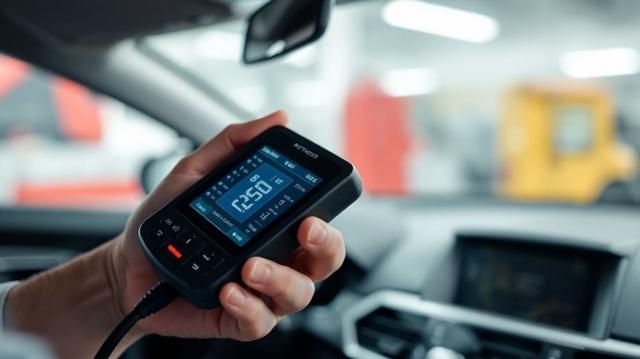
Modern cars are packed with tech, and sometimes, things go wrong. That's where car scanners come in. They're not just for mechanics anymore. For Australian drivers, these tools are becoming really important for keeping their vehicles safe and running right. Think about it: your car's computer is constantly monitoring everything from your engine to your airbags. When a warning light pops up, a scanner helps figure out exactly what's going on. Many drivers now rely on Australian car scanners, especially mid-range diagnostic tools like those featured on Autotech WSS, to quickly read fault codes and understand vehicle issues with greater accuracy.
Basic scanners can tell you about engine trouble, but for safety systems like the Anti-lock Braking System (ABS), Supplemental Restraint System (SRS, which is your airbags), and Tire Pressure Monitoring System (TPMS), you need something more. These systems are vital for preventing accidents and protecting you if one happens. Having a scanner that can properly read and clear codes from these specific modules is key to ensuring your car is roadworthy. It takes the guesswork out of repairs and gives you peace of mind.
Using a scanner for these diagnostics means you're not just fixing a problem; you're actively maintaining your car's safety features. It's about being proactive. For instance, a faulty TPMS sensor might seem minor, but it could mean you're driving on underinflated tires, which affects handling and braking. A good Australian car scanner can pinpoint these issues quickly.
Balancing Cost and Diagnostic Capabilities
When you're looking at car scanners, there's a big range out there, from cheap ones you grab online to professional gear. For the average Australian driver, you don't necessarily need the most expensive, top-of-the-line workshop scanner. There are plenty of mid-range options that do a solid job for home use. These tools can still access important systems like ABS, SRS, and TPMS, which is great for routine checks and minor fixes.
The trick is finding that sweet spot between what you can afford and what you actually need the scanner to do. If you're just doing basic maintenance or checking warning lights occasionally, a simpler, more affordable model might be perfect. However, if you're dealing with more complex issues or want deeper access to your car's systems, you might need to spend a bit more. It's all about matching the tool to your specific needs and your car's make and model.
It's worth noting that while budget scanners can read codes for TPMS, ABS, and SRS, they might not have all the advanced features that professional mechanics use, like bi-directional testing or ECU programming. So, for everyday drivers, the goal is to get good diagnostic coverage without breaking the bank. Think about what you'll use it for most often – is it just for checking engine lights, or do you want to dive into those critical safety systems?
Choosing the Right Tool for Your Needs
So, how do you pick the right scanner? It really comes down to what you plan on doing with it. If you're a DIY enthusiast who likes to tinker with your car, you'll probably want something user-friendly and affordable that covers the basics well. You want to be able to plug it in, get a clear reading, and understand what the codes mean without needing a degree in automotive engineering.
On the other hand, if you're running a workshop or dealing with a lot of different vehicles, you'll need a more robust tool. Professional mechanics need broader compatibility, faster updates, and deeper system access to handle a wider range of makes and models efficiently. They're investing in a tool that helps them diagnose and fix cars faster and more accurately, which is good for business.
Ultimately, the best scanner for you depends on your situation. For many Australian drivers, a scanner that reliably handles TPMS, ABS, and SRS diagnostics is a smart investment. It means you can confidently check these vital safety systems, saving time and money on guesswork repairs. It's about getting the right level of detail and control for your specific automotive needs.
Advanced Diagnostics for Modern Vehicles
Beyond Basic Engine Codes
Modern cars are packed with electronics. Basic code readers just scratch the surface, often only showing engine trouble codes. But today's vehicles have complex systems like ABS (Anti-lock Braking System), SRS (Supplemental Restraint System, think airbags), and TPMS (Tire Pressure Monitoring System). These systems are vital for safety. A simple scanner can't properly check them or clear their warning lights. You need a tool that can talk to these specific modules.
Getting a full picture requires more than just reading the check engine light. Advanced diagnostic tools go deeper, accessing modules that manage braking, airbags, and tire pressure. This allows for more precise troubleshooting. Without this capability, you might miss critical issues that affect your safety on the road. It's about understanding the whole car, not just the engine.
ADAS Calibration and OEM-Level Diagnostics
Many newer cars come equipped with Advanced Driver-Assistance Systems (ADAS). These include things like adaptive cruise control, lane-keeping assist, and automatic emergency braking. After a windshield replacement or even minor bodywork, these systems often need recalibration. This process requires specialized car scanners that can communicate with the ADAS modules and perform precise adjustments. Without the correct calibration, these safety features might not work as intended, potentially leading to accidents.
OEM-level diagnostics mean getting the same level of information and control that the car manufacturer's own technicians have. This is especially important for complex tasks like ECU (Electronic Control Unit) coding or deep system resets. While some advanced scanners can do this, it's a feature that truly separates professional tools from consumer-grade ones. For Australian drivers, this means access to repairs that were once only possible at dealerships.
Future-Proofing Repair Workshops
Australian repair shops need to keep up with technology. As cars get more sophisticated, so do the tools required to fix them. Investing in advanced car scanners that can handle ADAS calibration and OEM-level diagnostics isn't just about fixing today's cars; it's about being ready for tomorrow's. Workshops that adopt these technologies can attract more customers and handle a wider range of repairs.
This shift means mechanics need ongoing training and access to up-to-date diagnostic equipment. The ability to perform complex calibrations and deep system diagnostics positions a workshop as a modern, capable service provider. It's a way to stay competitive in a rapidly changing automotive landscape. Australian drivers benefit from this by having more local options for advanced vehicle servicing.
Convenience and Customisation with Scan Tools
One-Click Apps for Easy Modifications
Modern car scanners bring a new level of ease to vehicle customisation. Tools like the OBD Eleven, for instance, offer 'One-Click Apps' that let drivers make changes to their cars with minimal effort. These pre-programmed modifications can adjust factory settings or even add new features. It's a big step up from older methods that required complex manual coding. This makes personalising your vehicle accessible to more people.
These apps simplify tasks that used to be tricky. You can activate comfort features, change lighting options, or even reset service indicators. The convenience of applying these changes with just a tap is a major benefit. It means drivers can tailor their cars to their preferences without needing to be a mechanic. This approach really changes how people interact with their vehicles.
The ability to modify vehicle settings through simple app interfaces represents a significant shift in automotive ownership. It puts more control directly into the hands of the driver, making car customisation more approachable than ever before.
Streamlining Vehicle Settings and Features
Beyond simple modifications, scan tools streamline the management of various vehicle settings. For owners of VAG group vehicles (like Volkswagen, Audi, Skoda, and Seat), devices such as the OBD Eleven provide access to a wide range of adjustments. This includes everything from interior lighting preferences to more technical settings related to the car's systems. The process is designed to be straightforward, often using a Bluetooth connection to a smartphone app.
This streamlined approach means drivers can easily activate or deactivate features that were originally installed but perhaps not enabled by default. It's about making the car work exactly how the owner wants it to. This level of control was once only available to professional mechanics with expensive equipment. Now, it's within reach for the average car owner looking to fine-tune their driving experience.
Simplified Fault Code Management
Dealing with vehicle fault codes can be a headache, but modern scan tools make it much simpler. While some advanced tools might not store fault codes directly, they often provide ways to export diagnostic reports. This means you can easily share detailed logs with your mechanic or keep a record for yourself. This feature is incredibly useful for tracking issues over time.
For example, a tool might allow you to email scan logs directly from the app. This removes the need to write down complex codes or describe symptoms vaguely. It provides a clear, digital record of the vehicle's status. This makes troubleshooting more efficient and less stressful for the driver. The goal is to make understanding and managing your car's health as easy as possible.
The Evolving Landscape of Automotive Data
Data Privacy Concerns for Drivers
Modern cars are becoming data-gathering machines. From your driving habits to where you go, a lot of information is collected. This data can paint a detailed picture of your life. Many drivers worry about who sees this information and how it's used. It's not always clear how consent is given for data sharing, often buried deep in lengthy terms and conditions.
This collected data can influence things like insurance rates. Some systems track driving behaviour, and this information might be shared with insurance companies. It's a complex area, and drivers want more transparency about their automotive data. Understanding what's being collected is the first step.
Telematics and Insurance Premiums
Telematics devices, sometimes called 'black boxes' in Australia, are designed to monitor driving. While they can promise lower insurance premiums for good drivers, there's a flip side. Some drivers have reported unexpected increases in their insurance costs after their driving data was analysed. This is often linked to how insurers assess risk.
Carmakers are increasingly sharing driving behaviour data with insurance firms. This practice is becoming more common, and it means your driving habits could directly impact your insurance premiums. It's a shift from simply paying for the miles you drive to paying for how you drive.
Understanding Data Collection Practices
It's important for drivers to know what data their car collects and where it goes. This includes information from sensors, cameras, and even microphones within the vehicle. Automakers collect this data, and it can be shared or sold. Drivers often aren't fully aware of the extent of this data collection or how it's processed.
The expectation of privacy in one's vehicle doesn't always match the reality of current automotive data practices.
Being informed about data collection practices is key. This knowledge helps drivers make better decisions about their vehicle's connectivity and data sharing settings. It's about staying in control of your personal information.
Selecting the Ideal Australian Car Scanner
Features for VAG Vehicle Owners
For those driving Volkswagen Auto Group (VAG) vehicles – think VW, Audi, Skoda, Seat, Lamborghini, and Bentley – a specific scanner can make a big difference. Tools like the OBD Eleven are designed with these brands in mind. They plug right into your car's OBD2 port and connect to your phone or tablet. This setup allows for detailed diagnostics and even customisations.
These scanners often come with "One-Click Apps." These are pre-programmed modifications that let you change settings or activate features without complex manual coding. It's a straightforward way to adjust things like comfort functions or reset service lights. Having a scanner that understands VAG systems means you get more out of your specific vehicle.
Choosing a scanner tailored for VAG cars simplifies maintenance and customisation. It means less guesswork and more direct control over your vehicle's features. For owners of these popular European brands, this targeted approach is a real advantage.
Standard vs. Pro Versions Explained
When looking at car scanners, you'll often see standard and pro versions. The standard option usually covers the basics: reading fault codes, clearing them, and connecting to available apps. It's a good starting point for general checks and simple tasks.
The pro version, however, goes much further. It typically includes advanced features like live data streaming, in-depth diagnostics, and manual coding capabilities. This level of access is what professional mechanics often need for complex repairs and detailed analysis. For the serious DIYer, the pro version offers more power.
Think about what you plan to do with the scanner. If it's just for occasional checks, a standard model might be fine. But if you want to perform more advanced tasks or get a deeper look into your car's systems, the pro version is likely the better investment. The extra cost often pays off in capability.
Local Support and Expertise
Buying a car scanner in Australia means you should also consider local support. While many great tools are available globally, having a local supplier can be a game-changer. They understand the Australian automotive market and specific vehicle regulations.
Local companies often provide customer service that's easier to access and more relevant to your needs. This could mean faster troubleshooting or advice specific to models common in Australia. It's about getting help when you need it, without long international wait times.
When selecting your Australian car scanner, look for brands or distributors that offer strong local support. This ensures you're not left stranded if you run into issues. It adds a layer of confidence to your purchase, knowing help is readily available.
Innovations in Vehicle Inspection Technology
Drive-Through Flaw Detection
New systems are popping up that let cars drive through a special bay. Think of it like a car wash, but instead of soap and water, it uses cameras and sensors. These systems can spot damage you might miss, like small dents or scratches on the exterior. It's a quick way to get a full picture of a vehicle's condition. This technology is changing how quickly and accurately cars can be assessed.
This technology is a game-changer for the industry. It helps identify issues fast, making the next steps clearer. For businesses, it means faster processing and better customer service. The goal is to make inspections more efficient and less time-consuming for everyone involved.
Quantifying Vehicle Damage for Revenue
These advanced scanners don't just find problems; they help businesses make money from fixing them. By precisely identifying damage, they can generate accurate repair quotes automatically. This transparency helps customers decide what repairs they want done right away. It streamlines the process from inspection to repair, potentially opening up new income streams for service centers.
CMT Scanner systems, for example, can quickly generate a quote and even send an SMS to the customer. This immediate feedback loop is key. It allows for quicker decisions and can lead to more repairs being completed during a single visit. This efficiency boosts revenue and customer satisfaction.
Partnerships for Enhanced Services
Companies are teaming up to bring these inspection technologies to more places. By working together, they can expand their reach and offer better services. This collaboration helps integrate new tech into existing operations smoothly. It means more drivers and repair shops can benefit from these innovations.
These partnerships are vital for the future of vehicle maintenance. They help ensure that workshops have the tools they need to handle modern vehicles. It's all about staying ahead and providing top-notch service in a rapidly changing automotive world. The Australian car scanner market is seeing a lot of this cooperative spirit.
Wrapping Up: Smarter Scans for Safer Drives
So, when you look at it all, modern car scanners are really changing things for drivers here in Australia. Whether you're a mechanic who needs to know exactly what's going on under the hood, or just someone who likes to keep an eye on their own car, these tools make a big difference. They help pinpoint problems with things like brakes, airbags, and tire pressure – all pretty important stuff for staying safe on the road. Plus, with more affordable options out there now, it's easier than ever to get the right tool for the job, saving you time and the headache of guessing what's wrong. It's all about making sure your car runs right and keeps you safe, no matter where you're headed.