

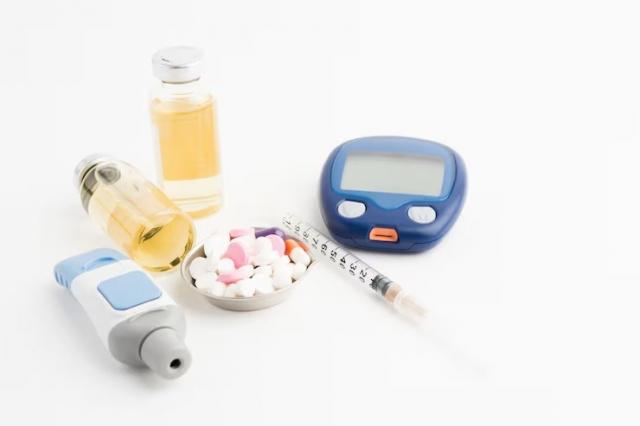
Living with diabetes means managing a chronic condition that often requires consistent medication, making affordability a top concern for many patients. As medication costs continue to rise, accessing diabetic drugs legally and affordably in 2025 has become more important than ever. This article explores practical, legitimate strategies for obtaining these vital medicines without breaking the bank.
Understanding the Landscape of Diabetic Medication Costs in 2025
The cost of diabetic medications has been climbing steadily over the years, driven by advances in treatment options and the complexities of pharmaceutical pricing. In 2025, many patients find themselves grappling with the financial strain of ongoing prescriptions, especially those with limited insurance coverage or high deductibles. Discounted diabetic medications have become crucial in conversations around affordable care, as various legal means now exist to help patients reduce their out-of-pocket expenses.
Healthcare policy changes continue to influence medication prices, with ongoing debates around drug price regulation and insurance reforms. However, patients still face challenges such as coverage gaps, tiered formularies that place newer drugs in higher-cost categories, and variability in state and federal assistance programs. Understanding this evolving environment is key to making informed decisions when seeking cost-effective diabetic care.
Exploring Legal Avenues for Discounted Diabetic Medications
Government assistance programs play a foundational role in reducing medication costs for many patients. Medicare and Medicaid offer different coverage plans that may help lower the price of diabetic drugs depending on eligibility and location. For example, Medicare Part D provides prescription drug plans with varying copayments, while Medicaid programs in several states include additional support for diabetic supplies and medications.
Pharmaceutical companies often run Patient Assistance Programs (PAPs) aimed at helping individuals who cannot afford their medications. These programs have eligibility criteria typically based on income and insurance status, but can provide free or discounted drugs for eligible patients. Companies like Novo Nordisk, Eli Lilly, and Sanofi, leaders in diabetic care medications, frequently offer these programs. Applying can involve submitting financial documents and physician prescriptions, but the potential savings are significant.
Non-profit organizations and charitable foundations also contribute by offering medication grants or subsidies to diabetic patients in need. Organizations such as the American Diabetes Association and local health charities may assist with the cost of medications or connect patients with resources to ease financial burdens. Accessing these supports often requires outreach and persistence, but they can be lifesaving for many.
Leveraging Technology and Pharmacy Discounts
In today's digital age, technology provides many avenues for obtaining discounted diabetic medications legally. Pharmacy discount cards and online coupons have become popular tools for reducing medication prices at local pharmacies. These discounts work by partnering with pharmacies and manufacturers to lower prices, sometimes without the need for insurance. Reliable websites and apps provide access to these savings, but it is important to ensure they are reputable and transparent about terms.
Mail-order pharmacies are another option, offering the convenience of home delivery along with potential savings. Buying in larger quantities through mail-order often leads to lower prices per unit. Specialty pharmacies, which focus on chronic conditions like diabetes, may also provide access to patient education and assistance programs that contribute to affordability.
Price-comparison tools have grown in popularity as well. Websites and smartphone applications allow patients to compare medication prices across multiple pharmacies, empowering them to choose the most cost-effective option without sacrificing quality or legality. These tools can be particularly helpful in areas where prices vary widely between providers.
Insurance Strategies to Lower Out-of-Pocket Costs
Understanding the details of insurance coverage is essential for managing medication costs. Many insurance plans use formularies, which are lists of approved drugs categorized into tiers that determine copayment amounts. Opting for medications in lower tiers or approved generics can significantly reduce expenses.
Switching from brand-name drugs to generic or biosimilar alternatives is a legal and safe way to cut costs. These versions have the same active ingredients and effectiveness but are often priced much lower. Patients should discuss these alternatives with their healthcare providers to ensure they are appropriate for their treatment.
Communication with healthcare providers about medication costs is often overlooked but can lead to considerable savings. Doctors may prescribe affordable alternatives or adjust treatment plans based on what the patient can afford, ensuring that health outcomes are not compromised due to financial constraints.
International Options and Legal Considerations
Some patients explore international pharmacies as a means to access lower-priced diabetic medications. While importing medications personally can be tempting due to price differences, it is crucial to understand the legal boundaries in 2025. Many countries allow personal importation of certain prescription drugs under strict conditions, but regulations vary widely.
Patients must verify that any international pharmacy they use is reputable, licensed, and compliant with safety standards to avoid counterfeit or unsafe medications. The risks associated with unregulated sources can be severe, so education and caution are paramount.
Conclusion
The journey to access diabetic medications affordably and legally in 2025 involves understanding the evolving landscape of drug costs, leveraging assistance programs, and utilizing technology and insurance strategies. With careful research and advocacy, patients can find ways to manage their condition without undue financial hardship. Prioritizing safety and legality ensures that cost savings do not come at the expense of health, leading to better outcomes and peace of mind.