

Nepal, oh that country of big mountains and deep valleys, where every trail has a story and every turn shows a new sky. This place is for all people who love to walk, who love peace, and who love the silence of mountains. It is not about walking only; it is about feeling alive again. From the mighty Everest Base Camp Trek to the wild Langtang Valley and the tough Everest Three High Passes, Nepal has some real adventures for the heart and soul.
The Heart of the Himalaya—Everest Base Camp Trek
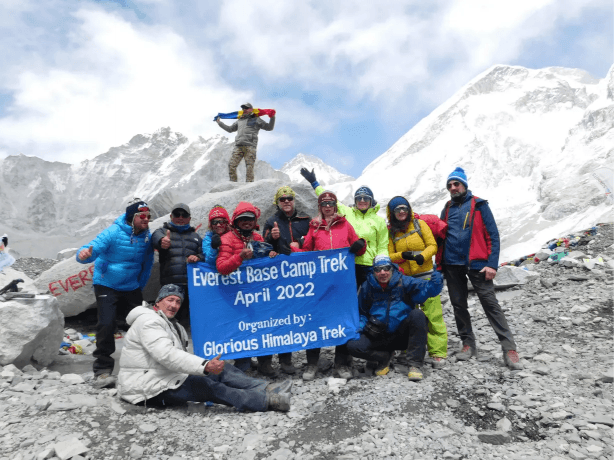
Everest Base Camp Trek—people dream about it for years. It is like the mountain itself. The path starts from Lukla, a small airport where wind blows like crazy and every landing feels like a miracle. From there, the trek moved through Phakding, Namche Bazaar, Tengboche, Dingboche, and finally that famous Everest Base Camp.
Walking this route is not just about seeing big mountains; it's about feeling local life, meeting Sherpa people, hearing prayer wheels spin, and smelling yak butter tea in the air. Namche Bazaar is like a mountain town in the sky, full of color, shops, lodges, and smiling people. After Namche, trails get higher, air gets thinner, but views get wider. Ama Dablam, Lhotse, Nuptse, and finally Everest all stand like gods around you.
The trail is sometimes rough, with stone steps and narrow paths, but every turn shows magic. Many people do this trek around March to May or September to November when the weather is clear. The morning sun hits white peaks, and the sky turns deep blue; it is so unreal you feel like you are in a dream.
At Everest Base Camp, you see flags, tents, and ice everywhere. You stand there, maybe a little breathless, maybe with tears in your eyes. Not because of height only, but because you did it; you walk the same way as legends.
Langtang Valley Trek—The Hidden Gem Near Kathmandu

The Langtang Valley Trek is not as famous as Everest, but it is full of heart and peace. Just a few hours' drive from Kathmandu takes you to Syabrubesi, the start of the trek. From there, trails move through forest, small Tamang villages, and along the Langtang River.
This trek has its own charm. Not too crowded, not too quiet, just perfect. You see rhododendron trees, monkeys jump on branches, and rivers sing all the time. People smile; they invite you for tea, to talk, to smile again.
Langtang Valley was hit by an earthquake in 2015; many lives were lost, but now life is back again. Villages rebuild, lodges open, and people are strong like the mountains they live in. You feel that spirit when you walk there.
When you reach Kyanjin Gompa, the last stop, it feels like heaven between peaks. You can climb Kyanjin Ri or Tserko Ri for sunrise; the sky turns gold, and all mountains shine. Langtang Lirung stands tall in front of you, proud and quiet.
Langtang Trek is good for those who want close nature, real culture, and not too tough but still real adventure. It's like a walk in a dream where you have rivers, forests, and mountains talking to each other.
Everest Three High Passes Trek – The Trail of the Brave

Now if you want more than just Everest Base Camp, if you want a real challenge, then the Everest Three High Passes Trek is the one. It goes beyond, crossing three big passes—Kongma La, Cho La, and Renjo La. Each one is tough, each one higher than 5000 meters, but the view, oh man, the view makes all the pain worth it.
You go the same route as Everest Base Camp at the start, but later you turn, you climb, and you push yourself. It is not for everyone, but those who love real trekking, they call this heaven. You walk among glaciers, cross ice, touch snow, and see lakes like Gokyo that shine like glass.
Cho La Pass is maybe the hardest; sometimes snow covers it, and you walk slowly, one step, one breath. But when you stand on top, you see all the mountains—Everest, Cho Oyu, Lhotse, Makalu, and the whole Himalayan wall—standing strong. Renjo La shows Gokyo Lake from the top, like a blue diamond in a white world.
This trek is not just about walking; it is about testing your limit, your will. It teaches patience, and it teaches respect for nature. Many trekkers say, “After this trek, no mountain can scare me anymore.”
Why Nepal Treks Feel Different
Many countries have mountains, but Nepal has souls in them. The people here smile even when life is hard. They carry heavy loads uphill but still say “Namaste” with a pure heart. You walk on stone steps that monks walked thousands of years before. Prayer flags dance in the wind, the sound of the river mixes with bells from the yak's neck, and you feel something inside you move.
Everest, Langtang, and the Three High Passes all have the same root—nature and culture together. You walk, you eat simple dal bhat, you sleep in a teahouse, and you wake up to mountain light. It is not luxury, but it feels richer than gold.
The Seasons of the Trail
In Nepal, the mountain season comes and goes like a song. Spring (March to May) is best for flowers and a clear sky. Rhododendrons bloom everywhere; hills turn red, pink, and white. Autumn (September to November) is best for big views, no rain, and no clouds—just sharp peaks.
Winter comes with snow and cold but empty trails. Some love that peace. Summer brings rain and leeches, but also green life, and waterfalls are full. Each season has its own beauty, its own feeling.
Everest Base Camp and Three High Passes are better in spring and autumn because of the high altitude. Langtang can be done almost all year, but it is still best at the same time when the weather is clear.
Experience the Local Life
One of the best parts of trekking in Nepal is meeting people. Sherpas in the Everest region and Tamangs in Langtang live simple lives but with big hearts. They share tea, smiles, and stories. You see kids running with school bags through snow, old men carrying wood, and women working in fields, and you realize how small we all are before the mountain.
In Namche Bazaar, you see a mix—trekkers from all over the world, local guides, porters, everyone together like family. In Langtang, you eat yak cheese; in Gokyo, you drink coffee with a lake view. Small things, big feelings.
The Trail's Challenges and Joys
Of course, trekking is not always easy. Sometimes altitude hits, causing headache ache and shortness of breath. Sometimes rain makes the path muddy; sometimes cold makes fingers hurt. But those moments teach you patience. And then the sun comes, warms your face, and you forget all the pain.
Langtang is not so high, so it's good for first-timers. Everest Base Camp is medium-tough, but with a slow pace anyone with good fitness can do it. Three High Passes is only for experienced people; you need good gear, a guide, and a strong will.
Always listen to your body, drink water, and rest when needed. Mountains always wait; there's no need to rush.
Gears and Packing
You don't need too much fancy stuff, but good shoes are very important. Warm jacket, gloves, hat, and layers for changing weather. Sleeping bag, trekking poles, sunglasses, and sunscreen are all small but help big time. Keep your pack light; carry your heart heavy with joy.
In the Everest area, teahouses were all but a little expensive. Langtang is still good, simple, clean, and family-style. Food is mostly dal bhat, noodles, soup, potatoes, and momo. And always drink hot tea, best friend, in the cold.
Why People Keep Coming Back
Some people think once you see the Himalayas, you are done. But most come back. Because the mountain called again. You walk there once, and it stays inside you forever. Langtang calls with peace, Everest calls with pride, and Three Passes calls with challenge. Together they make Nepal a dreamland for trekkers.
Many who come here say they find part of themselves they didn't know was missing. The silence between peaks, the sound of the river, and the smell of incense from a small monastery all mixed into one memory that never fades.
Beyond the Trails
After the trek, many go to Pokhara or Kathmandu, rest a few days, and see temples, lakes, and markets. But still, mountains stay in my head. You think about sunrise from Kala Patthar, or kids waving in Langtang, or flags flying high at Renjo La.
Nepal is not only about height; it is about heart. Its beauty is not just on Everest or Langtang, but in every smile, every path.
Final Thought
“Nepal's Greatest Treks: Langtang Valley, Everest Base Camp & Beyond” is more than just a walking trip. It's a journey through life, through culture, through time. Every step feels like a story, and every view feels like a blessing.
If you want peace, go to Langtang.
If you want glory, go to Everest Base Camp.
If you want a challenge, go to Three High Passes.
But no matter which you choose, all bring you the same thing—love for the Himalaya and respect for this land.
When you leave, you don't say goodbye. You just say, “See you again, Nepal,” because deep inside, you know you will come back.
FAQs
- How hard is the Everest Base Camp Trek?
It is medium tough, not too easy, not too hard. With slow walking and good rest, anyone fit can do it. - Is Langtang Valley safe after an earthquake?
Yes, very safe now. Villages rebuild, and people are happy to welcome trekkers again. - How long is the Everest Three High Passes Trek?
Usually around 18 to 21 days, depending on pace and weather. - Best time for trekking in Nepal?
Spring (March–May) and autumn (Sept–Nov) are perfect with clear skies and dry trails. - Do I need a guide, or can I go alone?
Guides help a lot, show the route and culture, and take care. Solo is possible but better with local guides for safety and fun.
Contact Information:
Contact Glorious Himalaya Trekking Pvt. Ltd. – an authentic local trekking company based in Kathmandu, Nepal for unforgettable holidays in Nepal Himalayas. They provide highly experienced local guides and porters with all the logistics service for your mountain treks, hikes and peak climbing activities. Since 2011, they have been operating multi-days mountain tours inside Nepal's region for solo trekkers and private groups. Connect with them at [email protected] or WhatsApp: +977-9813637616