

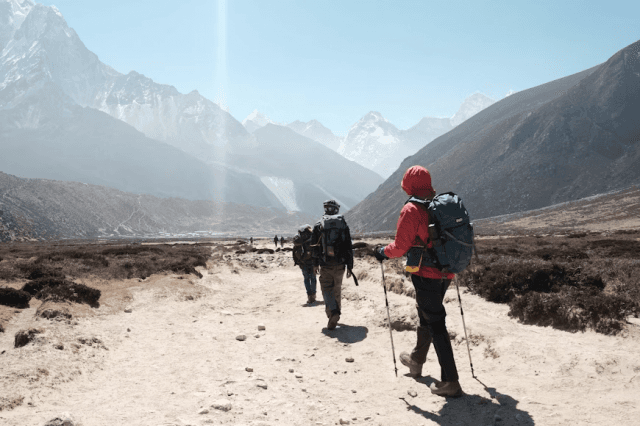
Nepal is a mountain country, a very big trekking place. This land is full of snow peaks, green valleys, and smiling people. This article shows you the best four trekking paths—Kanchenjunga Base Camp, Upper Mustang, Annapurna Base Camp with Mardi Himal by Buddha Air, and Tsum Valley. These treks are all very beautiful, nature-filled, and peaceful. Each trek gives a new view, a new village, and a new local life. Trekkers enjoy these treks because they are a mix of all—snowy mountains, green jungles, rivers, desert and old Buddhist culture. This guide helps you choose a good trail and prepares you perfectly for your journey in the mountains of Nepal.
Kanchenjunga Base Camp Trek
Kanchenjunga Base Camp Trek is the third biggest mountain in the world. This trek goes near eastern Nepal, far from people. It takes long days, but it is very adventurous and wild. You go from green forest to high glacier camp. Local people are Limbu and Rai; they have their own dress, food, and language. The trail passes through a big river, an old village and a big snow hill. Kanchenjunga Base Camp is not only a mountain view—it is a real experience of remote life. You see yaks, birds, old monastery and wild flowers. The trail is peaceful, with no crowd. After a 20 day trek, your body is tired, but your heart is full of happiness.
Upper Mustang Trek
The upper Mustang trek is like a desert in the mountains. It is called "Last Forbidden Kingdom" because before tourists were not allowed. Now it is open, but you need a special permit. This trek looks like Tibet—dry land, red cliffs, old cave and sky without clouds. Mustang is in the rain shadow, so you can trek even in monsoon. People speak Tibetan, follow the old Bon religion, and are Buddhist too. The main village is Lo Manthang, where you see the king's palace, monastery and many white houses. You feel you go back 100 years. The trail is dusty, but the view is wow. Many trekkers say this place is like moonland.
Annapurna Base Camp Mardi Himal Trek with Buddha Air
This trek to Annapurna Base Camp and Mardi Himal Trek with Buddha Air is short and sweet, but full and amazing. First flight to Pokhara with Buddha Air, a nice flight with a Himalaya view. Then you start the Mardi Himal trek—a small path, forest, high hill, and the best view of Machhapuchhre and Annapurna. After Mardi, join the Annapurna Base Camp trail. You walk in bamboo forests, cross rivers, and climb to base camp. Annapurna Base Camp is very famous. with snow on all sides. Hot springs are also on trails. You can finish the trek in 10-12 days. This trek is a good mix of comfort and adventure. There are many tea houses, good food, easy trails and a big snowy view.
Tsum Valley Trek
The Tsum Valley trek is a secret place in the Manaslu region. In a very old Buddhist valley, people follow monk life. Many gompas, prayer walls, and caves of meditation. This place feels spiritual. The trail goes through a river, a pine forest, and a village where no cars come. You see people farming, smiling. Children say "Tashi Delek" when you pass. This trek is not high like Everest but has more culture. The trail is not crowded; there are only a few trekkers. You need a special permit. This trek is good for slow walking, deep thinking, and a peaceful heart. After finishing, many people say they will not forget Tsum in their life.
Why Choose These Routes Combined?
These four treks are not the same but make one big story. Kanchenjunga for wild nature and big snow. Mustang for dry desert and Tibetan life. Annapurna and Mardi for good comfort and a big view. Tsum for old culture and quiet. Together they give all trekkers a full Nepal taste—high hill, deep valley, culture, religion, and adventure. If you do only one trek, you miss many things. But if you combine or select two or three from this list, you get the full experience. These treks are not near to each other, but if planned with a good agency, it is possible to do them in one season or two trips.
Detailed Itineraries of These Treks
Kanchenjunga Base Camp Trek (20-22 Days)
- Day 1: Fly from Kathmandu to Bhadrapur
- Day 2: Drive to Taplejung
- Day 3-6: Trek to Gyabla through Chirwa and Sekathum
- Day 7-11: Reach Kanchenjunga North Base Camp via Ghunsa and Lhonak
- Day 12-16: Return back to Ghunsa and cross Sele La Pass
- Day 17-20: Reach South Base Camp, return to Taplejung
- Day 21: Drive to Bhadrapur
- Day 22: Fly back to Kathmandu
Upper Mustang Trek (15-17 Days)
- Day 1: Fly from Pokhara to Jomsom
- Day 2-6: Trek to Lo Manthang
- Day 7-9: Explore caves, monasteries, and Chhoser
- Day 10-13: Return by a different trail via Dhakmar
- Day 14: Fly back to Pokhara
- Day 15: Rest / fly to Kathmandu
Annapurna Base Camp Mardi Himal Trek (12 Days)
- Day 1: Fly from Kathmandu to Pokhara with Buddha Air
- Day 2-5: Trek Mardi Himal via Forest Camp and High Camp
- Day 6: Connect trail to Chhomrong
- Day 7-10: Trek to Annapurna Base Camp and back
- Day 11: Jhinu hot spring
- Day 12: Return to Pokhara
Tsum Valley Trek (16 Days)
- Day 1: Drive from Kathmandu to Soti Khola
- Day 2-6: Trek to Chumling, then to Chhokang Paro
- Day 7-9: Explore Mu Gompa and the monastery.
- Day 10-13: Return back on the same trail
- Day 14: Drive to Arughat
- Day 15: Drive to Kathmandu
- Day 16: Rest / free day
Best Time for These Treks
Spring (March to May) and Autumn (September to November) are best. In Spring, flowers bloom, the sky is clear, and mountains shine. In Autumn, after rain, the sky is blue, with less dust. For Mustang, the monsoon is also ok, because rain does not come there. Winter is possible but cold. Summer is not good for ABC or Kanchenjunga; the trail is slippery.
Food and Accommodation and Teahouse
All treks have teahouses. Kanchenjunga and Tsum are very basic, simple beds with local food—dal bhat, noodles, and potatoes. Mustang is a little better, and Lo Manthang has a guesthouse with a bathroom. Annapurna has the best teahouse—wifi, hot shower, and menu food. Local people cook with love. You eat rice, momo, soup, and pancakes. In a remote place, bring a snack bar and a biscuit.
Weather and Temperature
- Spring: 10–20°C daytime, -5°C night at base camp
- Autumn: 15°C day, -2°C night
- Winter: -10°C at night, snow in high pass
- Mustang dry and windy
- Tsum is cool and cloudy.
Morning is always best for walking; in the afternoon it can get cloudy.
Cultural Experience
You meet Limbu, Rai, Gurung, Thakali, Lama, and Tibetan. Each group has their own dress, food, and festival. Kanchenjunga has Limbu—strong people. The Mustang has Tibetan life, an old language, and a king's family. Annapurna has Gurung and Magar—dance and smile. Tsum has monks and nuns and prayer flags all over the place. You see people pray, work in the field, and be happy with small things. This is the best part of the trek.
Packing List for These Treks
- Trekking boot, slipper
- Down jacket, rain jacket
- Warm hat, sun hat
- Gloves, socks
- Sleeping bag -10°C
- Sunscreen, lip balm
- Head torch
- Snacks, water bottle
- First aid kit
- Passport, permit copy
- Power bank, phone
A light bag makes for a happy trek. Always carry a rain cover.
Tips to Make the Tour Enjoyable
- Walk slowly, breathe deeply
- Drink more water
- Listen to the guide and respect local rules.
- Don't throw plastic.
- Talk to local people
- Take a photo, but ask first.
- Smile always
- If tired, take one rest day
- Keep extra money for emergencies
- Trust nature and mountains
Conclusion
This trek is not only for mountains. They give you peace, strength, and memory. You see a big Himalaya, but also a small smile. Every day on the trail makes your life simple and clean. After this trek, you are no longer the same person. These paths teach you patience, silence, and how to love every moment. Kanchenjunga gives wildness, Mustang gives culture, Annapurna gives views, and Tsum gives spirit. This compass is not for direction—but for your soul.
What Feeling After the Tour
After finishing, your leg may hurt, but your heart will sing. You will close your eyes and see a snow hill. You remember tea houses, children laughing, and bird sounds. You feel great respect for people who live in the mountains. You may cry a little, because you miss the trail. But this is a good cry. You become a mountain friend now. Nepal will stay in your heart forever.