

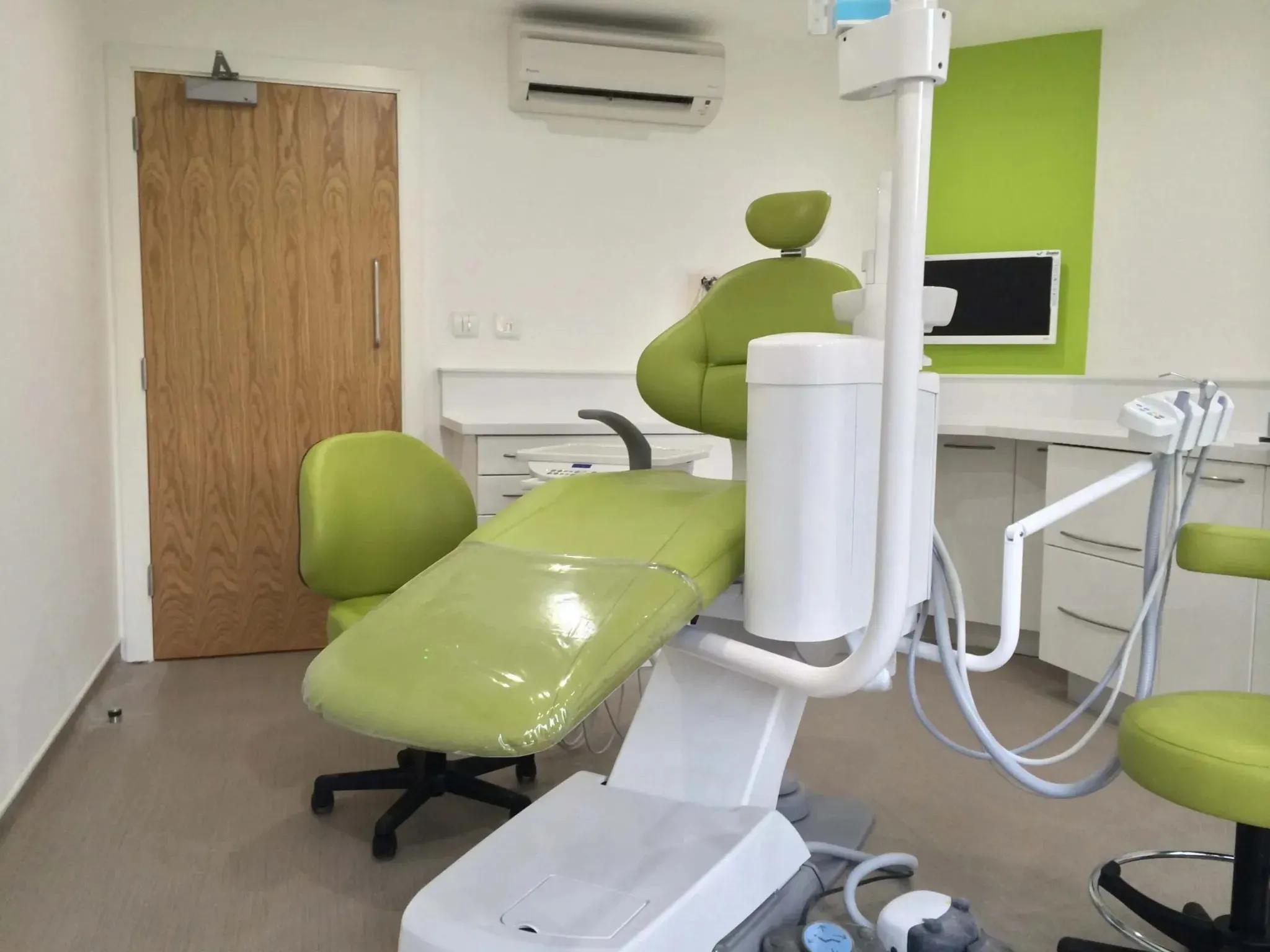
Cosmetic dentistry is an elective decision. Nobody needs teeth whitening, composite bonding, or veneers the way they need a root canal or an extraction. They choose it, and that choice is influenced by dozens of signals they receive before, during, and after their first consultation. The physical environment of the practice is one of the most powerful of those signals. A dental design that communicates precision, care, and clinical excellence creates the conditions in which a patient feels confident making an elective investment. One that does not creates hesitation at exactly the moment confidence is required. | ||||||||||||||||||
The Psychology of Elective Treatment DecisionsUnderstanding why dental surgery design influences cosmetic case conversion requires understanding how patients make elective healthcare decisions. Unlike urgent treatment, where the pain or the problem drives the decision, elective treatment requires the patient to self-motivate, self-fund, and trust that the outcome will justify the investment. That trust is built through accumulated signals. The practice's online reputation. The clarity of the consultation. The warmth of the reception team. And the physical environment in which all of these experiences take place. A patient sitting in a treatment room that feels dated, cluttered, or clinically stark is not in the psychological state that makes an elective investment feel comfortable. A patient in a space that feels considered, precise, and quietly premium is. Dental design is not decoration. It is the context in which trust is built or withheld. What Cosmetic Patients Are Actually Looking For in the EnvironmentPatients considering cosmetic dental treatment have typically researched their options, looked at before-and-after cases online, and formed a view about what kind of practice they want to be treated at. When they arrive for a consultation, they are consciously or unconsciously testing whether the physical reality matches their expectation. The Signals That Build Cosmetic ConfidencePrecision in the detail: Cosmetic dentistry is a discipline of detail. Millimetre decisions in shade selection, shape, and proportion determine outcomes. A practice where the physical environment reflects precision, in material quality, in finish consistency, in the arrangement of clinical space, signals that the same attention to detail extends to the clinical work. Quiet premium rather than luxury: The aesthetic that converts cosmetic patients is not opulent. Patients are not looking for chandeliers and marble, they are looking for a space that feels considered without feeling clinical. Warm lighting, quality materials, a restrained colour palette, and thoughtful spatial proportions communicate exactly that. Visible evidence of technology: Cosmetic patients want to see the tools of the trade. An intraoral camera displayed on an articulated arm, a photography area set up for smile records, digital impression equipment visible in the treatment room, these are confidence signals that communicate investment in the right technology for the work. The Consultation Room: Where Dental Surgery Design Has the Most ImpactThe consultation is the moment at which a cosmetic patient decides whether to proceed. Everything in the dental surgery design of the consultation space should support a yes, by making the patient feel relaxed, informed, and confident in the practice's ability to deliver what they are about to invest in.
The Design Elements Patients Notice Before Treatment BeginsPatients rarely describe their decision in design language, but they respond to environmental cues almost immediately. Small details influence whether a practice feels premium, organised, and capable of delivering elective cosmetic outcomes.
Patients may not consciously evaluate each element, but together they create an impression that either supports treatment acceptance or introduces hesitation. The Commercial Case: What the Numbers Look LikeA practice that converts three additional cosmetic cases per month as a result of the confidence created by its environment, cases averaging twelve hundred pounds each, is generating an additional forty-three thousand pounds in annual revenue from the investment in dental design. Over a five-year horizon, the return on a well-executed design investment is substantially higher than the cost of making it. This is not a speculative calculation. It is the commercial logic that practices investing in environment-led cosmetic growth are applying, and the reason that dental design has moved from an aesthetic consideration to a strategic one for practices with cosmetic growth ambitions. Design That Converts Is Design That Was Briefed CorrectlyCosmetic treatment decisions are influenced long before the consultation begins. Practices seeing stronger cosmetic case growth are typically designing for patient confidence, trust, and conversion rather than aesthetics alone. A successful environment supports the entire patient journey, from first impression through to treatment acceptance. Divo Interiors designs dental surgery environments for practices with growth ambitions, creating spaces that align clinical requirements with commercial outcomes and help patients feel confident at every stage. Author Bio: UV Jadeja UV Jadeja, the head honcho at Divo Interiors Ltd in London, has spent a significant number of years in the commercial fit-out and refurbishment industry, specialising in dental practices. Under his leadership, the company has designed and renovated clinics of some of the most well-known dental practices in the country. He often shares his insights & extensive industry knowledge with the general public |