

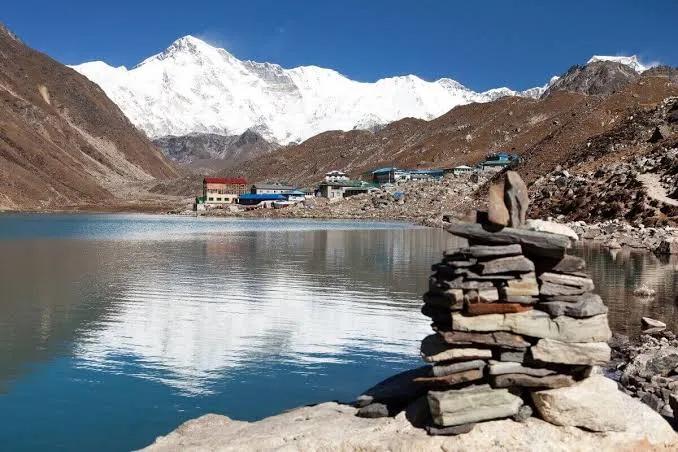
At high Himalayan altitudes, the atmosphere becomes lighter with every step. Breathing becomes heavy. The sun is hotter, the wind is sharper, and the weather can go from sunny to a total whiteout in a matter of minutes. In this situation, comfort is no longer a luxury but a matter of survival. You quickly realize one of the hard truths of travel at high altitudes: your packing choices matter as much as your physical fitness and mental toughness.
Whether you are taking the most famous routes to Everest Base Camp, doing the Gokyo Lake trek to the beautiful turquoise glacial lakes, taking the difficult and remote trail of the Manaslu trek, or facing the technical skills needed in an Ama Dablam expedition, the margin for error at high altitudes is almost nonexistent.
Every single thing you bring is essential. Having too much to carry takes away strength, makes acclimatization slow, and poses a higher risk of getting injured. In contrast, having too little can put you in a situation where you will face the cold, dehydration, altitude sickness or you may be forced to turn back.
Therefore, you should follow a tested and proven packing system for safety, efficiency, and adaptability during your alpine journeys. It does not mean carrying more. The goal is to carry what you need, when you need it, move with confidence, recover well and focus on the upcoming ascent without extra weight hindering your progress.
Layering System: Your First Line of Defense Against Altitude
A proper layering system helps to keep the body at the right temperature, manage moisture, and conserve energy. Instead of going for one heavy jacket, apply a modular layering technique. This allows quick adjustments according to changing weather, terrain, and physical condition.
Base Layer (Moisture Management)
This layer is closest to the skin which controls moisture. At high altitudes, sweat cools very fast, and the person might get cold if he/she is not careful about moisture control which can also lead to chills, fast exhaustion, and increased risk of hypothermia.
Recommended:
Merino wool or quality synthetic thermal tops and bottoms.
Lightweight to midweight options depending on the time of year and altitude.
Never use cotton. It absorbs moisture and takes a long time to dry which in turn causes the person to lose heat faster, particularly in the cold and windy conditions that are characteristic of routes like the EBC trek or early mornings on the Gokyo Lake trek.
Merino wool is also a great choice for winter because it allows the body to keep the right temperature. It is also odorless which is perfect for long treks where washing is not easy.
Mid Layer (Insulation)
The mid layer's function is to hold the body's warmth. The layer keeps warm air close to your body while at the same time letting moisture escape from the base layer.
Recommended:
Fleece jacket or lightweight insulated jacket for active movement.
Down or synthetic insulated pants for colder expeditions or high camps.
Insulated pants are really useful during pre-dawn hours, breaks, and nights in unheated lodges or tents.
Outer Layer (Protection)
The outer layer shields you against the wind, snow, rain, and weather changes that are usually experienced above the tree line.
Recommended:
Waterproof, windproof shell jacket (Gore-Tex or equivalent breathable membrane)
Hard-shell pants with fully sealed seams and reinforced areas
At high altitudes, the wind chill factor can significantly reduce the feeling of heat. A good-quality shell layer will protect against the heat loss but at the same time allow the moisture from inside to evaporate. It is very important in the case of long climbs and open crossovers.
Footwear: Protect Your Foundation
At high altitudes, your feet are literally your foundation and mistakes here are costly. The combination of cold, moisture, and pressure results in the development of blisters, numbness, and frostbite. When foot injuries occur, it becomes either very hard or completely impossible for you to continue your journey in a safe manner.
Opt for insulated boots that have been completely broken in and rated for your target altitude and temperature. When it comes to technical climbs or enduring extreme cold, double boots give vital warmth and moisture management, particularly during days of long summits and high camps.
Bring along 3 to 5 pairs of woolen trekking socks to keep moisture and warmth under control, and change them often. On long days, wearing a liner sock will lessen the slipping and will be a great help in the prevention of blisters. Gaiters are a must-have accessory in the snow and wet conditions as they prevent debris and moisture from getting in and keep your feet warm.
Other Gear Lists That You Will Require
The use of trekking poles can greatly enhance balance and lessen the impact on knees on steep descents.
A headlamp along with spare batteries is a must for early morning starts, unexpected delays or late arrivals.
Sunglasses will block the snow reflection and very bright light.
Wearing a helmet will safeguard you from falling rocks, moving through mist, or during glacier walks.
A harness is needed for safe movement and glacier rescue.
Wear crampons that are appropriate for your boots and the ground you are on.
An ice axe is good for self-arrest and cutting through snow or ice.
An ascender/descender.
30-40L daypack.
A 60-80L backpack.
Waterproof pack cover or dry bags.
Personal medications.
Diamox (doctor’s prescription).
Blister care and band-aids.
Water purifying tablets or a filter.
Pulse oximeter.
Sunscreen SPF 50+.
Lip balm that provides UV protection.
Sleeping bag that can withstand a minimum temperature of -15°C (even lower if it is for expeditions).
Sleeping bag liner (increases warmth and cleanliness).
Air mattress or foam sleeping pad.
Lightweight camp shoes or sandals.
Buff or neck gaiter.
Travel towel.
Earplugs.
Power bank or solar charger.
Passport and permits.
Travel insurance (including high altitude evacuation).
Emergency contact details.