

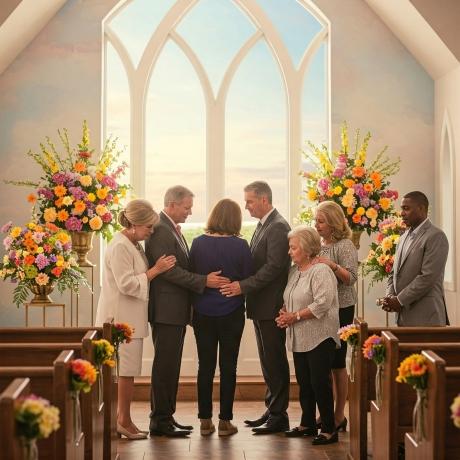
Introduction: A New Way to Honor Loved Ones
A Celebration of Life Service is a heartfelt gathering that shifts the focus from mourning a loss to honouring and celebrating a person's life. Unlike traditional funerals, which tend to be solemn and formal, a celebration of life embraces joyful remembrance, allowing family and friends to reflect on the happy memories, achievements, and legacy left behind. This modern approach to memorialization is gaining popularity as people seek more personal and uplifting ways to say goodbye.
This article explores what a celebration of life service is, how it differs from a traditional funeral, and offers guidance on planning a meaningful and personalized event.
How a Celebration of Life Differs from a Traditional Funeral
While funerals typically follow a structured format with religious or cultural customs, a celebration of life is more flexible and personalized. Below are the key differences:
- Tone and Atmosphere
- Traditional funerals tend to be solemn, focusing on grief and mourning.
- Celebrations of life emphasize joy and gratitude, encouraging attendees to share happy memories and honour the person's life.
- Location and Setting
- Funerals are often held in churches, funeral homes, or cemeteries.
- Celebrations of life can take place anywhere—parks, gardens, community halls, beaches, or even family homes—creating a more comfortable and familiar environment.
- Structure and Format
- Funerals typically include religious rituals, prayers, and formal eulogies.
- A celebration of life is more flexible, with storytelling, music, photo displays, and interactive elements.
- Timing
- Funerals often occur soon after passing, whereas a celebration of life may be planned weeks or months later, allowing time for thoughtful preparation.
- Attire
- Traditional funerals often require formal black attire.
- Celebrations of life encourage brighter colours or even themed outfits that reflect the personality of the deceased.
These differences highlight how a celebration of life creates a more personalized experience, honouring the deceased in a way that truly reflects their unique personality and spirit.
Planning a Meaningful Celebration of Life
Planning a celebration of life allows families to tailor the event to reflect the values, interests, and character of their loved one. Below are key steps to creating a memorable and heartfelt event.
- Choose a Meaningful Location
Consider places that were significant to the deceased:
- A beach for someone who loved the ocean
- A park or garden for a nature enthusiast
- A sports club for a passionate athlete
- A family home for a cozy, intimate gathering
- Create a Personalized Program
While celebrations of life do not have rigid structures, a loose itinerary helps maintain flow. Common elements include:
- Welcome speech – A host (family member, friend, or celebrant) introduces the event.
- Tributes and storytelling – Guests share personal stories, fond memories, and funny anecdotes.
- Photo and video displays – A slideshow or video montage showcasing the deceased's life and achievements.
- Music and performances – Live music, favourite songs, or poetry readings add an emotional touch.
- Symbolic acts – Balloon or lantern releases, planting a tree, or lighting candles to honour their memory.
- Incorporate Their Passions and Interests
Make the event unique by incorporating elements that reflect the person's passions:
- A book-loving individual might have a mini-library where guests take a book in their honour.
- A sports fan's event could include a tribute game or match.
- An artist's celebration might feature a gallery display of their work.
- Encourage Guest Participation
Unlike traditional funerals where attendees are passive observers, celebrations of life encourage interaction. Consider:
- Memory jars – Guests write down their favourite memories and place them in a jar for the family to keep.
- Open mic sharing – A space where attendees can share stories and thoughts.
- Legacy projects – Creating a quilt, scrapbook, or time capsule with contributions from guests.
- Serve Favorite Foods and Drinks
Food often brings people together, so serving dishes that the deceased loved can add a warm, personal touch.
- A coffee enthusiast's event might have a specialty coffee bar.
- A wine lover's celebration could include a toast with their favourite vintage.
- A potluck where guests bring dishes inspired by the deceased's tastes adds a communal element.
- Provide Keepsakes
Offering guests a token of remembrance ensures their legacy lives on. Keepsake ideas include:
- Seed packets – To plant a flower or tree in their memory.
- Personalized candles – With a meaningful quote or the deceased's name.
- Custom bracelets or pins – As a wearable tribute.
Why More People Are Choosing Celebrations of Life
The shift toward celebrations of life reflects a broader change in how society views death and remembrance. Some reasons for this growing preference include:
- A Desire for a More Positive Experience
Rather than focusing solely on loss, a celebration of life highlights love, laughter, and legacy, creating an uplifting experience.
- Increased Personalization
Many people want more control over how they are remembered, opting for events that reflect their true selves.
- Flexibility in Timing
Unlike funerals that happen quickly, celebrations of life allow more time for planning, ensuring a well-thought-out and meaningful event.
- Non-Religious and Inclusive Options
A celebration of life is ideal for those who prefer a secular ceremony or a blend of cultural traditions, making it more inclusive.
Conclusion: A Beautiful Way to Say Goodbye
A celebration of life service is a modern and deeply personal way to honour a loved one's memory. By focusing on joy, storytelling, and meaningful connections, these gatherings create a beautiful space for healing and remembrance. Whether intimate or grand, these services provide comfort, celebrate legacies, and ensure that the departed are remembered not just for how they left, but for how they lived.