

It's one of the most common questions in aesthetics: how long does Botox actually last?
On average, results typically last three to four months. Think of this as a rhythm rather than a rule. Some people notice fading in as little as two months, while others maintain results for up to six. Botox acts like a temporary pause button on specific muscle movements, and that pause gradually releases as the body metabolizes the product.
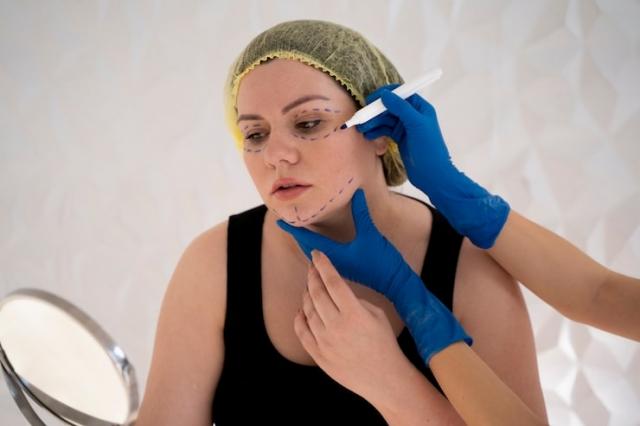
The ritual of refinement: Botox as luminous precision. Image courtesy of Beverly Wilshire Aesthetics.
Understanding the Botox Timeline
Knowing what to expect helps you plan your treatment journey effectively. Most clinicians recommend a 3- to 4-month interval as the ideal balance of effect, convenience, and cost.
Your personal timeline depends on variables like metabolism, muscle strength, treatment area, and dosage. Smaller, more active muscles around the eyes tend to fade faster than larger areas like the forehead. Knowing what to expect helps you plan your treatment journey effectively. For deeper insight into Botox treatment timelines and results, Beverly Wilshire Aesthetics is a leading medical spa that offers physician-led expertise in precision injectables.
Botox Duration by Treatment Area
Treatment Area
Average Duration
Common Purpose
Forehead Lines
3–5 months
Smooth horizontal creases
Glabellar Lines
3–4 months
Soften frown lines between brows
Crow's Feet
2–4 months
Reduce fine lines around the eyes
Bunny Lines
2–3 months
Minimize creases on the nose
These are averages — your provider will personalize expectations based on your anatomy and response.
How Botox Works
Botox is a purified neuromodulator that temporarily blocks the communication between nerves and muscles. By reducing muscle contraction, it allows the overlying skin to relax and smooth out dynamic wrinkles — the lines that appear with facial expression.
This effect generally lasts about 12 weeks (77–87 days) before normal nerve signaling resumes and muscle activity gradually returns.
Factors That Influence Longevity
Your metabolism, muscle mass, and lifestyle all play roles in how long results last.
- People with faster metabolisms or very active facial muscles may notice earlier fading.
- Stronger muscles, like those in the forehead, often require more frequent touch-ups than smaller zones such as crow's feet.
- Lifestyle Considerations
Certain habits can subtly shorten your results. High-intensity exercise can accelerate the body's metabolic clearance of the product, while UV exposure may compound skin aging and diminish visible benefits. Consistent sunscreen use, hydration, and a balanced skincare routine help preserve results.
From Injection to Fade - Day 3–4: Initial effects begin.
- Day 10–14: Full smoothing visible.
- Month 3–4: Gradual return of muscle movement.
- This progression is entirely natural as the neuromodulator gently wears off.
Extending Your Results
To maintain a consistently refreshed look: - Schedule your next session as movement starts to return — not after lines fully re-form.
- Choose an experienced injector who can fine-tune dose and placement for your anatomy.
- Combine with complementary treatments like microneedling or light resurfacing for cumulative benefits.
- With regular, well-timed treatments, many patients find that results last longer over time as targeted muscles become trained to relax.
Botox FAQs
What if I stop Botox?
Your muscles gradually regain normal movement, and expression lines reappear naturally. They won't worsen beyond your pre-treatment baseline.
Can you develop tolerance?
It's rare. A small number of people may form antibodies to Botox. Following your provider's recommended schedule minimizes this risk.
The Takeaway
Botox is not just a wrinkle relaxer — it's a rhythm of refinement. Results last, on average, three to four months, influenced by your body, lifestyle, and the precision of your injector.
Expert insight provided by Beverly Wilshire Aesthetics, a physician-led medical spa in Beverly Hills specializing in advanced Botox treatments, facial rejuvenation, and FDA approved injectables.