

Discover Nepal's Himalayas: Annapurna Base Camp Trek, Langtang Valley Trek, Manaslu Circuit Trek & Everest Three Passes
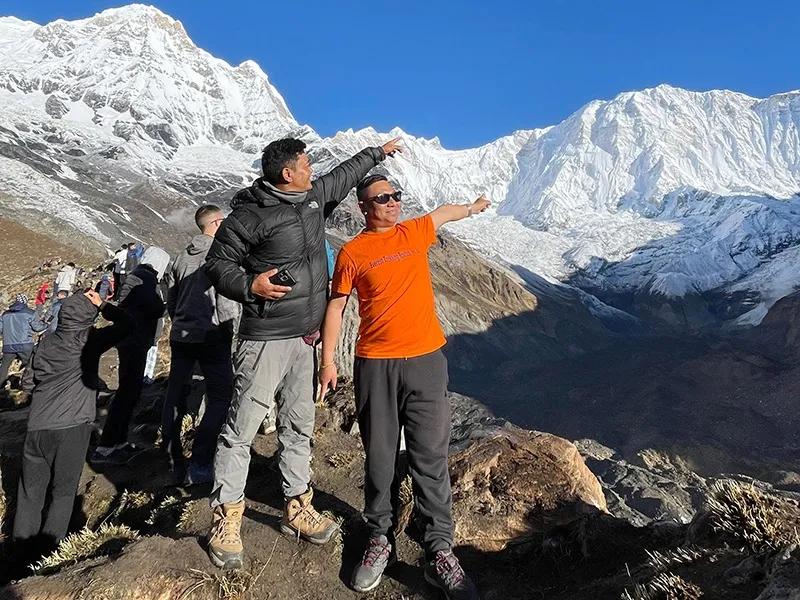
Ask ten different trekkers which route in Nepal they'd recommend, and you'll probably get ten different answers. That's the tricky part about planning a trip to the Himalayas of Nepal — there isn't a single "best" trek, just the one that fits your time, your legs, and what you actually want to see. Nepal trekking isn't a one-size-fits-all kind of thing, and anyone who tells you otherwise probably hasn't done more than one route themselves.
This guide walks through four of the most talked-about Himalayan trekking routes in the country and breaks down what actually separates them — not just the postcard views, but the real stuff: altitude, how hard the days get, the culture you'll pass through, how long you'll need, and how easy each one is to reach. Whether you're after a mountain adventure that eases you in or a trip that pushes you past 5,000 meters more than once, high-altitude trekking in Nepal comes in more flavors than most people realize. By the end, you should have a much clearer sense of which of these Nepal trekking holidays actually makes sense for you.
Annapurna Base Camp Trek Overview
The Annapurna Base Camp Trek is often the first route people picture when they think of trekking in this part of the world, and there's a good reason for that. You start low, walking through terraced farmland and villages where Gurung and Magar communities have lived for generations, then climb gradually into rhododendron forest before the trees thin out and the Annapurna Sanctuary opens up around you. It's one of the few places in the Himalayas where the mountains genuinely surround you rather than sitting off in the distance — Machapuchare, or Fishtail, dominates the skyline for days before you even reach base camp itself.
What makes this trek so popular isn't just the scenery, though that's plenty of reason on its own. It's that the whole experience — teahouse trekking with hot meals and a bed most nights, a well-established trail, and a trip that typically runs somewhere in the range of a week to ten days — gives you a proper base-camp experience without demanding a full expedition-style commitment. The landscapes change constantly, which keeps things interesting; one day you're walking past waterfalls and farmland, the next you're in a narrow valley closed in by rock walls thousands of meters high.
It sits comfortably in the moderate-to-challenging category. You don't need mountaineering experience, but reasonable fitness and a bit of pre-trip walking will make the daily climbs far more enjoyable than miserable. For travelers weighing this against something like the Annapurna Circuit Trek, the Ghorepani Poon Hill Trek, or the shorter Mardi Himal Trek, ABC tends to land right in the middle — more immersive than the shorter options, less logistically demanding than a full circuit. It's a solid entry point into Nepal trekking packages built around classic Himalayan scenery.
Langtang Valley Trek Overview
If time is tight but you still want a real taste of the mountains, the Langtang Valley Trek deserves a closer look. It's the closest major trekking region to Kathmandu, which means less time spent on bumpy roads and more time actually walking. The trail runs through Langtang National Park, following the valley up past forests, yak pastures, and glacial scenery toward Kyanjin Gompa, a small settlement that acts as the heart of the trek.
Tamang culture runs deep through this valley, and it shows in the monasteries, prayer flags, and village life you pass along the way — this isn't just a scenic walk, it's a cultural one too. Langtang Lirung towers over the upper valley, and most people build in a side trip up Kyanjin Ri for one of the better viewpoints in the region, weather permitting. The altitude gain is steady rather than punishing, though don't mistake "shorter" for "easy" — acclimatization still matters here, and rushing it is how people end up turning back early.
Accommodation runs through simple teahouses and village lodges, similar in style to Annapurna but with a quieter, less crowded feel on most days. This route suits people who want strong mountain views and genuine cultural contact but can't carve out two or three weeks for a longer trip. If Langtang appeals to you, it's also worth reading up on the Tamang Heritage Trek or the Gosaikunda Trek, both of which connect into the same region and show up often in Langtang trekking packages built for shorter Nepal short treks.
Manaslu Circuit Trek Overview
The Manaslu Circuit Trek is where things get noticeably quieter and, frankly, a bit wilder. This route loops around Mount Manaslu, the eighth-highest peak on earth, following the Budhi Gandaki Valley through a string of remote villages where Tibetan-influenced culture is still very much alive. You'll cross a fair number of suspension bridges strung high over the river, pass through terrain that shifts from subtropical lower down to properly alpine near the top, and generally get the sense that you're somewhere far less trodden than the Annapurna trails.
Because it passes through a restricted trekking region inside the Manaslu Conservation Area, this isn't a trek you can just wander off and do solo — permits and, in most cases, organized guide support are part of the deal. That restriction is actually part of the appeal for a lot of trekkers, since it keeps crowds down and the villages feeling genuinely lived-in rather than built around tourism.
The physical centerpiece of the trip is Larkya La, a high pass that demands a long, cold, early-morning push and rewards you with some of the most dramatic mountain views on the entire circuit. Getting there requires gradual altitude gain and proper acclimatization days built into the itinerary — skipping that part isn't really an option. This is a longer, more demanding trekking experience than Annapurna or Langtang, suited to experienced trekkers or well-prepared beginners who've done their homework. Those curious about extending the trip further should look into the Tsum Valley Trek, which branches off partway through and adds several more days of remote, culturally rich walking. A detailed Manaslu Trek itinerary and general reading on Nepal restricted-area trekking are worth reviewing before committing.
Everest Three Passes Trek Overview
For trekkers who've already got some altitude under their belt and want the biggest challenge on this list, the Everest Three Passes Trek is usually the answer. It threads together Renjo La, Cho La, and Kongma La — three high passes that link the classic Everest Base Camp trail with the Gokyo Lakes side of the Khumbu Valley. Instead of choosing between Everest Base Camp and Gokyo, you essentially get both, plus a lot more time spent above 5,000 meters than either route offers on its own.
This is Sherpa country, and Namche Bazaar, the unofficial capital of the region, gives you an early sense of just how deeply mountaineering and trade have shaped life here. From Namche onward, the trail climbs through increasingly dramatic terrain, with panoramic Himalayan views that most trekkers describe as the reason they came back to Nepal a second or third time. Anyone comparing different Everest Trekking Routes before settling on an itinerary will usually find the three-pass version listed as the most physically complete option, simply because it covers so much ground within one region.
Best Time for These Nepal Treks
Autumn — roughly October through November — is generally considered the strongest trekking season in Nepal, with clear mountain views and stable trail conditions across most regions. Spring, particularly March through May, runs a close second and adds blooming rhododendrons into the mix on routes like Annapurna. Monsoon season brings heavy rain and poor visibility to most of the country, making it a tough time for any of these four treks. Winter trekking is possible on lower routes like Langtang, but snowfall can close higher passes entirely, which matters a lot for Manaslu's Larkya La and the three passes on the Everest route. Himalayan weather isn't identical across regions, so the "best month" really does shift depending on which trek you're doing.
Final Thoughts & Strong CTA
Nepal doesn't really offer one Himalayan experience — it offers several, and they're different enough that picking the wrong one can leave you either underwhelmed or in over your head. Annapurna Base Camp gives you an accessible mountain sanctuary trip. Langtang delivers culture and scenery in a shorter window. Manaslu takes you into remote, quieter territory with a serious pass to earn. And Everest Three Passes pushes experienced trekkers through some of the most demanding high-altitude terrain in the country.
Not sure which route fits your trip? Talk with a local Nepal trekking specialist, compare the itineraries side by side, and choose the Himalayan journey that actually matches your time, fitness, and adventure goals.
Contact Details
Everest Trekking Routes Pvt. Ltd.
16 Khumbu, Nayabazaar, Kathmandu, Nepal
Mobile : +977-9843467921 (Rabin)
Email: [email protected]