

Kenya is like magic for anyone who loves animals and nature. You go there, and you see wildlife like never before. One of the biggest things that everyone wants to see is the Great Migration in Masai Mara. It is something unbelievable: millions of animals moving together, crossing rivers, running, predators waiting—it is life and death in one scene. You feel small, you feel alive, and you feel everything when you see this. Masai Mara is famous, but the Nairobi National Park Day Safari also gives you a chance to see animals without going very far from the city. People come from everywhere just to have a National Park Day Safari and see lions, giraffes, rhinos, zebras, and everything in one day. It is easy, it is fun, and kids love it too.
The Great Migration is not small. Every year, from July to October, millions of wildebeest, zebras, and gazelles travel from Serengeti in Tanzania to Masai Mara in Kenya. River crossing is the main highlight: crocodiles in water waiting, predators chasing, dust, chaos, beauty—it is raw nature. You can watch it from a jeep, from a boat sometimes, or from special spots where guides take you. People take cameras, drones, binoculars, everything. It is something you never forget. And the sound, the smell, and the atmosphere are intense. You can spend days there, waking up early in the morning, sunrise, animals moving, big sky, Africa smells, smells of grass, wet earth, and dust. You feel like you are part of life itself.
NATIONAL PARK DAY SAFARI
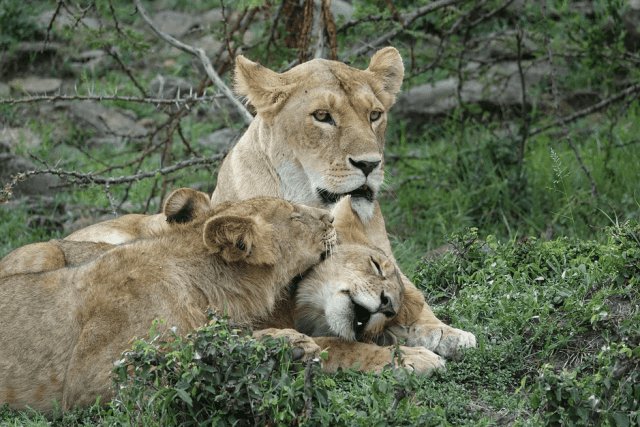
If you don't have many days, the National Park Day Safari is perfect. Nairobi National Park is near Nairobi, a 15–20 minute drive, easy and cheap, but a very good experience. You can see lions sleeping, giraffes walking, rhinos eating, cheetahs running, birds singing, and zebras playing. You take a jeep; a guide is there. Sometimes you go with a picnic, sometimes just a morning safari. You don't need big planning. This is also great for family, friends, honeymooners, and solo travelers. Kids scream, adults smile, and everyone is happy. You can take photos and small videos, post on social media, and feel like you are in a documentary. And birds are everywhere, very colorful, and very amazing. Birds of Masai Mara are also a must-see: flamingos, storks, hornbills, vultures, eagles, and every color and shape. Some birds fly in huge groups, an amazing sight. Bird watchers love it, photographers love it, and everyone is happy.
GREAT MIGRATION MASAI MARA

Masai Mara is not only for migration. It is full of life the whole year. But the Great Migration Masai Mara is the reason why people come from around the world. July, August, September, and October—this time is best. You see millions of wildebeest, thousands of zebras, river crossings, predators attacking, baby animals being born, lion prides hunting, cheetahs chasing, crocodiles snapping, everything. Guides know where to go, which river, which crossing, and which morning to start. You follow the jeep, you watch, you take photos, and your heart beats fast. You also meet other tourists, people from Europe, America, and Asia, all crazy for animals. Camping at Masai Mara is different. Tents, bonfires, food, and African music sometimes—everything you feel is Africa. Every day a new adventure, dust everywhere, sunset amazing, sunrise more amazing.
BIRDS OF MASAI MARA
People always forget birds when they come to Masai Mara, but birds are a huge part of the ecosystem. Thousands of species live there. You see ostriches, vultures, eagles, weavers, hornbills, kingfishers, herons, and sometimes flamingos. Some birds only come during certain seasons, some only in water, and some on trees. Birds of Masai Mara give you peace after the chaos of migration. You sit under a tree, watch colorful wings, hear sounds, sip tea or coffee, and relax. It is very simple but very beautiful. Bird photography is a big hobby here. Guides can show hidden spots, secret lakes, and bushes where birds nest. You can spend hours just for birds and feel very calm.
MASAI MARA TRIP COST
Many people ask about the Masai Mara trip Cost . It depends. If you do the National Park Day Safari, it's maybe 100–150 USD per person, sometimes more if it's a private jeep. Great Migration packages, 3–5 days, including camp, jeep, meals, and guide, usually 700–1200 USD per person. Luxury lodges much more, budget tents less. You pay for the entry fee, jeep, guide, and sometimes meals. Children under a certain age are less. The best is to book early; during high season, July–October, prices go high, and many are sold out. Don't forget tips for guides, sometimes drivers, and extra for photography gear. It is worth every penny. You feel like you pay for life memories, not just a safari.
NAIROBI PARK EXPERIENCE
Nairobi National Park is special because it is so close to the city. Lions walk near city skyscrapers, giraffes look over the road, rhinos hide in grass, and buffalo are everywhere. People don't expect this so near the city. Day Safari is easy: pick morning, return afternoon, see animals, and feel adventure. Some people do afternoon safaris or sunset safaris, which are also very nice. The park has rivers, trees, hills, open plains, and is very beautiful. Guides know animals, tell stories, explain behavior, and answer questions. You can walk sometimes on special trails, sometimes just drive. Birdwatching here is also amazing. You can see kingfishers, cormorants, storks, eagles, vultures, herons, ducks, waterfowl, and hundreds of species.
Park also teaches conservation. You see signs, and you see staff working to protect animals, prevent poaching, and feed rhinos sometimes. Education is a big part. Kids at school come, learn, see animals live, and feel a connection. The local Maasai community sometimes visits to sell art, crafts, and souvenirs. You buy small things, help the community, and feel part of the ecosystem. Safari is not just fun; it is learning, culture, nature, and everything together.
EXPERIENCE TIPS AND ADVICE
Wear light colors; avoid dark blue, black, and red. Bring binoculars, a camera, a hat, and sunscreen. Drink water, eat small snacks. Early morning is best: animals are active, the sun is rising, there is mist sometimes, and it is very dramatic. In the afternoon, animals rest and sometimes hide. Don't leave trash, don't feed animals, and follow guides. Maasai Mara National Park is safe if you follow the rules. Jeep rides are sometimes bumpy, there is dust everywhere, and you should wear a scarf or bandana. Shoes, comfortable long pants, and a light jacket if the morning is cool.
Book a safari early, especially for the Great Migration. Sometimes you can get last minute but have less choice. Guide knowledge is very important. They know which river crossing, which herd, which predator, and the best spot for photography. Day Safari Nairobi: easy, just show up, go with a guide, short briefing, done. Migration, Masai Mara, needs planning, lodge or camp booked, meals arranged, jeep, and driver-guide. Travel from Nairobi by road takes 4–6 hours; some fly small planes, which is very fast and more expensive.
MEMORIES AND PHOTOS
People always take too many photos, sometimes videos, and drones. Sunrise, sunset, animals, river crossing, dust, baby animals, lions resting, cheetahs running, zebras jumping, elephants walking, buffalo herd, giraffe necks. Birds flying, colorful wings, and sometimes flamingos. You watch, click, smile, scream, and feel alive. Camping at Masai Mara, bonfire night, sounds of hyenas, lions, and crickets, night sky full of stars, the smell of Africa—everything unforgettable. Nairobi Park, morning sun, animals grazing, city in background, also unforgettable.
WHY VISIT KENYA?
Kenya gives you everything. Animals, nature, birds, culture, adventure, learning, relaxation, photography, memories. Great Migration Masai Mara, National Park Day Safari, Birds of Masai Mara, and Nairobi National Park—it is all amazing. Africa feels different—raw, wild, peaceful, exciting, everything together. The trip cost is okay; it depends, but it's worth it. You feel alive, connected, and part of life. Africa is not just a country; it is a feeling, an experience, and a memory forever.
5 FAQs ABOUT MASAI MARA AND NAIROBI PARK
Q1: When is the best time for the Great Migration?
A1: July to October is peak, best for river crossing.
Q2: Can we do a Nairobi Park safari in one day?
A2: Yes, morning or afternoon, an easy day trip.
Q3: How much does a Masai Mara trip cost?
A3: 100–150 USD for a day safari, 700–1200 USD for a migration package.
Q4: Are birds easy to see in Masai Mara?
A4: Yes, many species; guides help find hidden birds.
Q5: Is it safe to go alone?
A5: Yes, follow guide rules and stay in a jeep; it's safe for everyone.