

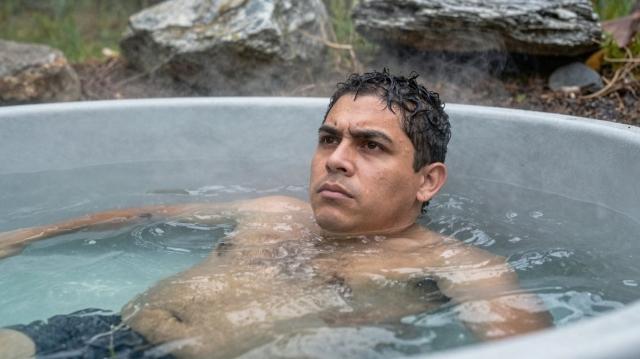
What Is Cold-Water Immersion?
Cold-water immersion, often called a cold plunge, is basically just sitting in cold water for a short time. Think of it as a quick dip in chilly water, usually between 50°F and 59°F. The main idea is to get your body to react in ways that help it recover and feel better overall. It's not a new thing; people have been doing variations of this for ages, using cold water for health reasons. A beginners guide to cold plunging from Aetherhaus highlights that proper technique and gradual exposure make the practice safer and more effective, especially for first-timers.
Today, you see it in different forms like ice baths, which are the classic cold plunge, or even just cold showers. Some people go for cryotherapy chambers, which use super cold air. They all aim for a similar outcome: a shock to the system that brings about positive changes. The cold plunge, specifically, involves submerging yourself in that cold water to kickstart these effects.
It's a practice that's gained a lot of attention lately, not just for athletes but for anyone looking to feel a bit sharper and recover quicker. The goal is simple: use the cold to your advantage for a healthier body and mind. It's about intentionally exposing yourself to the cold to trigger these beneficial responses.
How Cold Water Affects Your Body
When you jump into cold water, your body goes into a bit of a shock mode, but it's a good shock. Your blood vessels tighten up, which is called vasoconstriction. This helps calm down swelling and inflammation in your muscles and joints. After you get out and warm up, those vessels open back up, and blood flow increases, bringing fresh oxygen to where it's needed.
Your brain also gets involved. The cold triggers your sympathetic nervous system, and that leads to the release of endorphins. These are your body's natural feel-good chemicals, the same ones you get from exercise. This is why many people report feeling a sense of euphoria or a mood boost after a cold plunge. It's a direct chemical reaction to the cold stress.
This whole process is a controlled stressor. Your body learns to adapt to the cold, becoming more resilient over time. It's like a mini-workout for your circulatory system and your nervous system, teaching them to handle stress better. The cold plunge experience is really about these immediate physiological shifts.
Key Benefits Of Cold Plunge Recovery
One of the biggest draws of the cold plunge is how it helps muscles recover. After a tough workout, your muscles can feel beat up. Cold water helps reduce that soreness and inflammation, making you feel better faster. It's like hitting a reset button for your muscles, flushing out the gunk and getting ready for the next session.
Beyond the physical, there are significant mental perks. That endorphin rush we talked about? It's a powerful mood lifter. Many people find that regular cold plunging helps them feel less stressed and more mentally clear. It's a way to build mental toughness, too, by facing that initial discomfort and coming out the other side feeling accomplished.
Here are some of the main advantages you can expect:
- Faster Muscle Recovery: Reduces soreness and inflammation.
- Mood Boost: Endorphin release leads to feelings of well-being.
- Mental Clarity: Helps sharpen focus and reduce feelings of stress.
- Improved Circulation: Trains your blood vessels to work more efficiently.
These benefits make the cold plunge a valuable tool for anyone looking to improve their overall health and performance.
Preparing For Your First Cold Plunge
Getting ready for your initial cold plunge is more than just finding a tub of cold water. It's about setting yourself up for success and making the experience as beneficial as possible. Proper preparation helps your body adjust to the shock and makes the entire process smoother.
Setting The Right Water Temperature
For beginners, the water temperature is key. Aim for a temperature between 50°F and 59°F (10°C to 15°C). If that feels too intense initially, don't be afraid to start a bit warmer, perhaps around 60°F to 65°F (15°C to 18°C). The goal is to gradually decrease the temperature over time as you get more comfortable with the cold. Finding the right temperature for your first cold plunge is a balance between challenge and comfort.
Mastering Your Breathing Technique
When you first hit the cold water, your body's natural reaction is to gasp. This is called the cold shock response. To combat this, practice controlled breathing before you even get in. Slow, deep breaths help regulate your nervous system and prevent panic. Try this: inhale through your nose for about 4 seconds, hold for 4 seconds, and then exhale slowly for 6 to 8 seconds. Repeating this a few times can make a big difference when you take the plunge.
Establishing A Time Goal
Don't aim for marathon sessions right away. For your first few cold plunges, a good time goal is between 30 seconds and 1 minute. As you build tolerance, you can slowly increase this duration, working your way up to 2 to 5 minutes. It's important to remember that consistency is more important than how long you stay in. Listen to your body; it will tell you when it's had enough. Pushing too hard too soon can be counterproductive for your cold plunge journey.
Techniques For A Successful Cold Plunge
The Gradual Entry Method
Jumping straight into icy water can be a shock. Instead, try easing in. First, get your feet and hands wet. This helps your body start to adjust to the temperature change. Then, slowly lower your legs, followed by your torso and shoulders. This gradual approach makes the initial cold plunge experience much more manageable.
Focusing On Breath And Calmness
Once you're in, your body might want to panic. This is where breath control comes in. Focus on slow, steady breaths. This helps override your body's natural stress response. Try to relax your shoulders and avoid tensing up. Staying still helps conserve body heat, making the cold plunge more tolerable.
Mind Over Matter: Mental Focus
Cold plunging is as much a mental game as a physical one. It's a test of your willpower. To keep your mind off the discomfort, try simple mental exercises. Counting your breaths or visualizing a warm place can help. The key is to stay present and focused on your breathing. This mental focus is vital for a successful cold plunge and building resilience.
Maximizing Cold Plunge Benefits
Enhancing Muscle Recovery
Cold water immersion is a go-to for athletes looking to speed up how their muscles bounce back after tough workouts. When you get out of the cold plunge, your blood vessels open up again. This helps push out waste products that build up during exercise and brings in fresh, oxygen-rich blood. This process helps repair muscle tissue faster and can make you feel less sore. The reduced inflammation is a big part of why cold plunging works so well for recovery.
Boosting Mood and Mental Clarity
Jumping into cold water really wakes up your nervous system. It triggers the release of endorphins, which are natural mood lifters. Many people report feeling a sense of euphoria and a clearer head after a cold plunge. This mental reset can be incredibly helpful for managing stress and improving focus throughout the day. It's like hitting a refresh button for your brain.
Improving Circulation and Resilience
Regularly exposing your body to cold temperatures trains your circulatory system to work more efficiently. Your blood vessels get better at constricting and dilating, which is good for overall heart health. This practice also builds resilience by teaching your body to adapt to stress. Over time, you'll find yourself better equipped to handle physical and mental challenges. The cold plunge is a powerful tool for this.
- Reduced inflammation: Helps muscles recover faster.
- Endorphin release: Boosts mood and reduces stress.
- Improved circulation: Supports cardiovascular health.
Cold plunging isn't just about enduring the cold; it's about using that discomfort to create positive changes in your body and mind. It's a simple yet profound way to build strength from the inside out.
Safety And Best Practices
When To Use Cold-Water Therapy
Cold-water therapy, including cold plunges, is generally best used after physical activity. It can help reduce muscle soreness and speed up recovery. Many people also find it beneficial for mental reset, especially during stressful periods. However, it's not recommended to plunge when you're feeling unwell or have a fever. Always listen to your body's signals before deciding to take a cold plunge.
Risks And Precautions To Consider
While cold plunges offer benefits, there are risks. Sudden immersion in cold water can shock the system, potentially leading to a gasp reflex or changes in heart rate. Individuals with pre-existing heart conditions, high blood pressure, or circulation issues should consult a doctor before starting. It's also important to avoid prolonged exposure, especially when first beginning. Cold water therapy requires careful consideration.
Warming Up After Your Plunge
After exiting the cold water, it's important to warm up gradually. Avoid intense exercise immediately. Instead, focus on gentle movement and drying off thoroughly. You can put on warm, dry clothing. Some people find light stretching or a warm shower helpful, but let your body's core temperature return to normal naturally. This post-plunge routine is key for a safe cold plunge experience.
Key Safety Points:
- Consult a healthcare professional if you have any underlying health conditions.
- Never plunge alone, especially when starting out.
- Start with shorter durations and gradually increase time.
- Pay attention to your body's response and exit if you feel unwell.
- Avoid cold plunging if you have open wounds or skin infections.
Cold water immersion can be a powerful tool for recovery and resilience, but safety must always come first. Understanding the potential risks and taking appropriate precautions will help ensure a positive and beneficial experience with cold plunges.
Integrating Cold Plunges Into Your Routine
Frequency For Optimal Results
For most people, aiming for 2 to 4 cold plunges per week hits a sweet spot. Even just one session weekly can start to show benefits. The key is finding a rhythm that works for your body and schedule. Don't feel pressured to go daily; consistency is more important than sheer volume when you're starting out.
Think of it like building any new habit. You wouldn't run a marathon on day one, right? It's the same with cold plunging. Start slow, see how you feel, and adjust. This approach helps prevent burnout and makes sure you stick with it long-term. Remember, regular exposure is what trains your body and mind.
This consistent practice helps your body adapt to the cold, making each subsequent plunge a little easier. It also allows the cumulative benefits, like improved circulation and mental resilience, to really take hold. So, pick a frequency that feels manageable and commit to it.
Consistency Over Intensity
When it comes to cold plunging, showing up regularly is far more impactful than pushing yourself to the absolute limit every time. A 3-minute plunge at a manageable temperature, done consistently, will likely yield better long-term results than a single, brutal 10-minute session followed by a week off. The goal is to build resilience, not to endure extreme discomfort.
Focus on making the cold plunge a sustainable part of your lifestyle. This means choosing a frequency and duration that you can realistically maintain. If that means starting with 30-second dips a few times a week, that's a fantastic start. Over time, as your body adapts, you can gradually increase the duration or slightly lower the temperature if you wish.
This principle of consistency over intensity applies to many areas of health and wellness. It's about steady progress and building habits that last. For cold plunging, it means creating a routine that supports your recovery and resilience without becoming a chore or a source of dread. Your body will thank you for the steady, supportive approach.
Listening To Your Body's Signals
Your body is constantly sending you signals, and learning to tune into them is vital for a safe and effective cold plunge practice. If you feel excessively fatigued, unwell, or overly stressed before a planned plunge, it's okay to skip it or opt for a shorter, less intense session. Pushing through when your body is clearly signaling distress can be counterproductive.
Pay attention to how you feel after your plunge too. Are you recovering well? Do you feel energized or drained? These post-plunge feelings offer valuable feedback. Adjusting your routine based on this feedback is a sign of a mature and intelligent approach to cold therapy. It's about working with your body, not against it.
Ultimately, the journey with cold plunging is personal. What works perfectly for one person might not be ideal for another. By staying attuned to your body's unique responses and signals, you can tailor your cold plunge routine to maximize its benefits for you, ensuring it remains a positive and restorative practice.
Wrapping Up Your Cold Plunge Journey
So, you've learned about the basics of cold plunging, from getting the water temperature just right to controlling your breathing. It's a pretty neat way to help your body bounce back after a tough workout and also build up your mental toughness. Remember, starting slow is key. Don't feel like you need to stay in for ages right away. Just a minute or two, focusing on staying calm and breathing, can make a big difference. Over time, you'll likely find yourself able to stay in longer and feel even better afterward. Keep at it consistently, listen to your body, and you might just find cold plunging becomes a regular, helpful part of your routine for feeling stronger, both physically and mentally.